


Tabitha Arnold
Gospel of the Working Class
May 01 - July 18, 2026
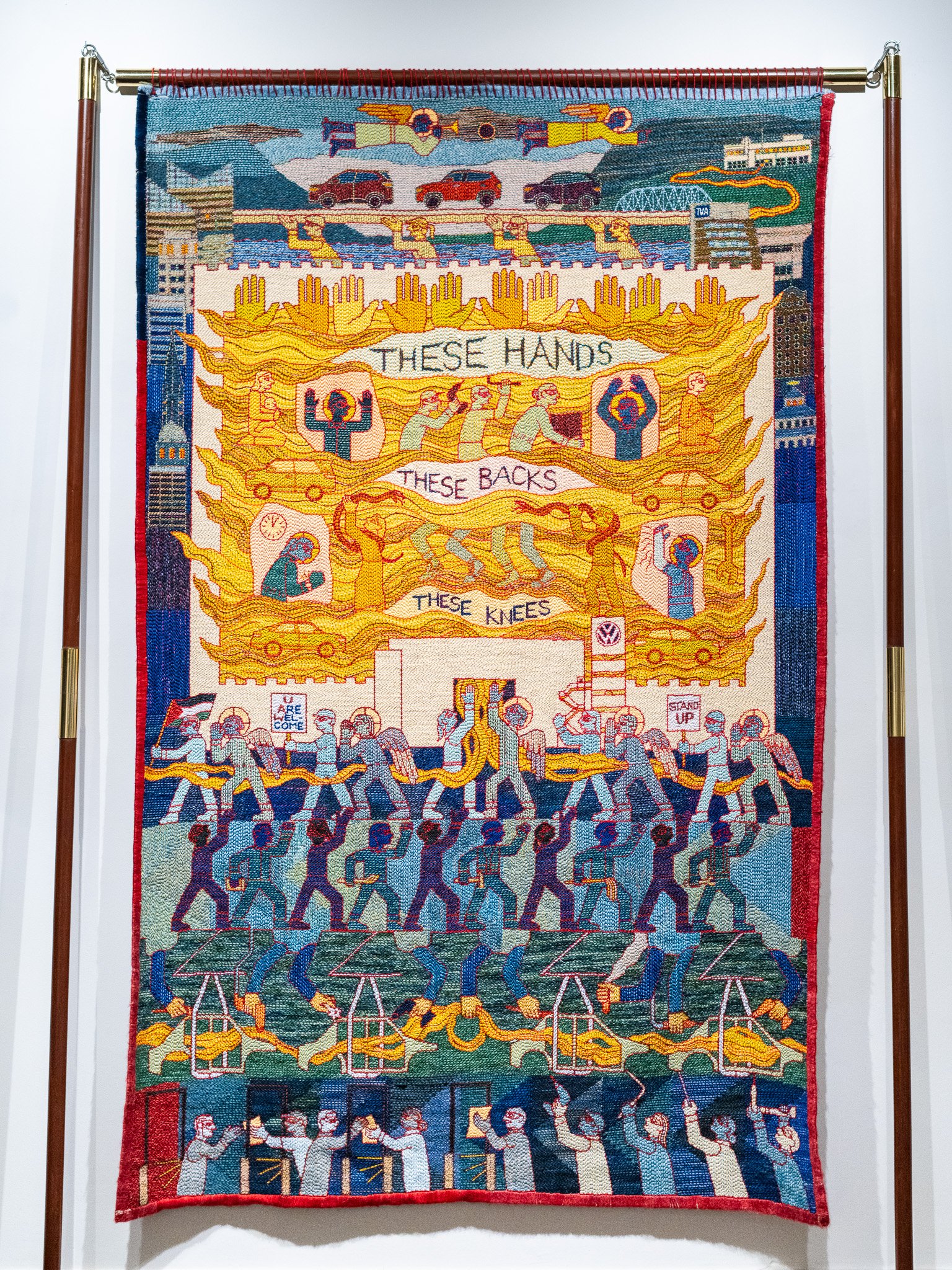
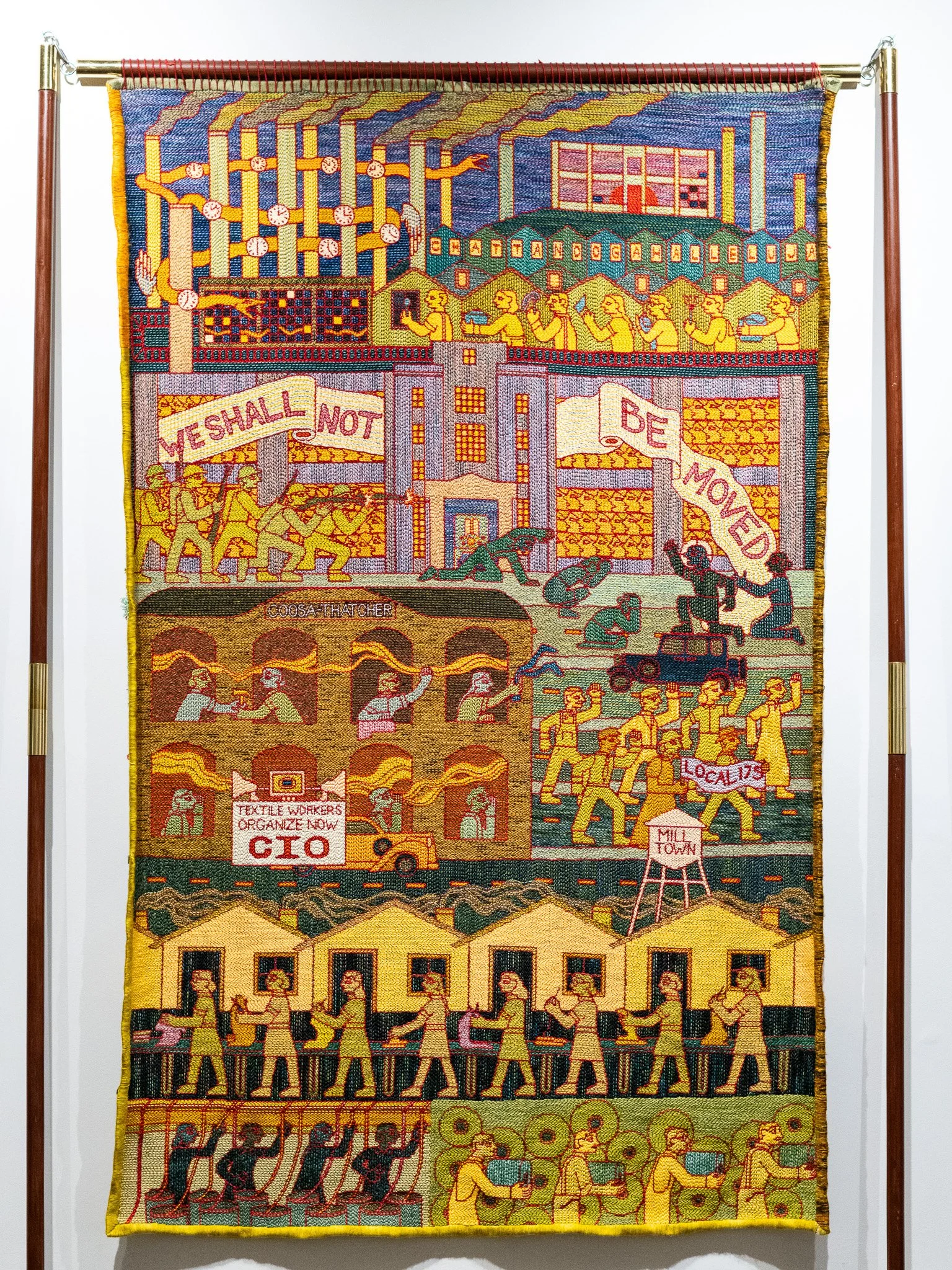
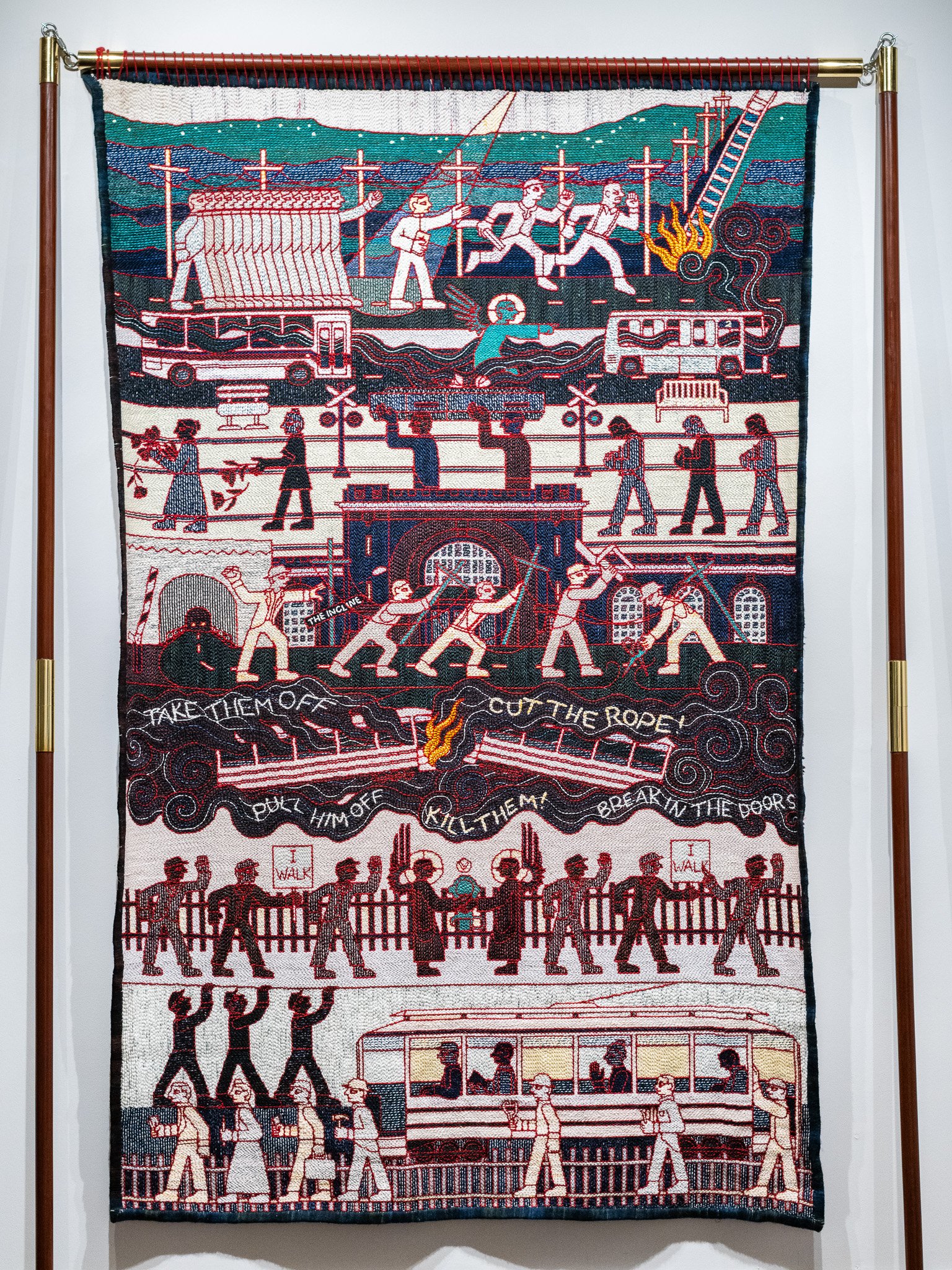
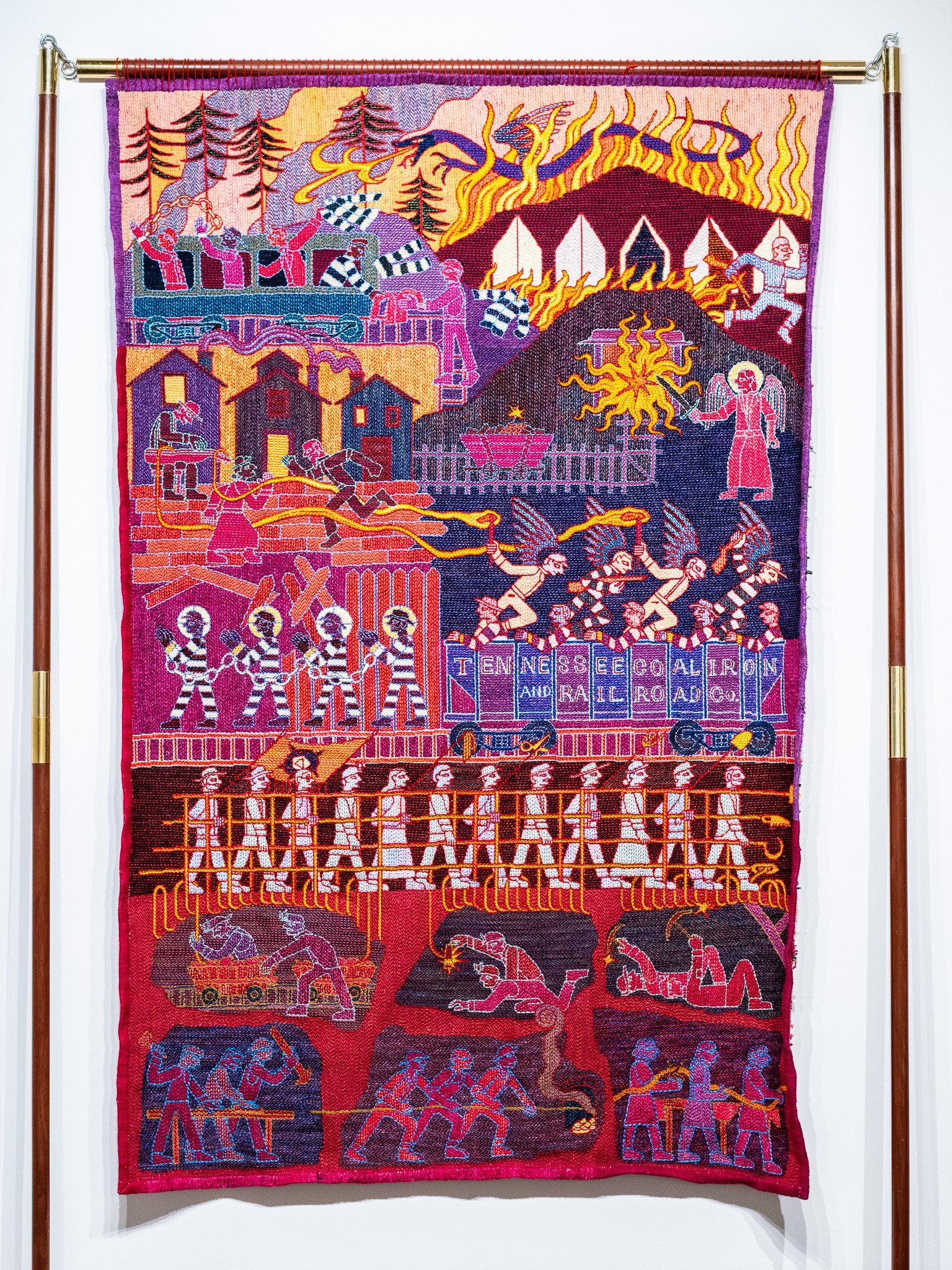
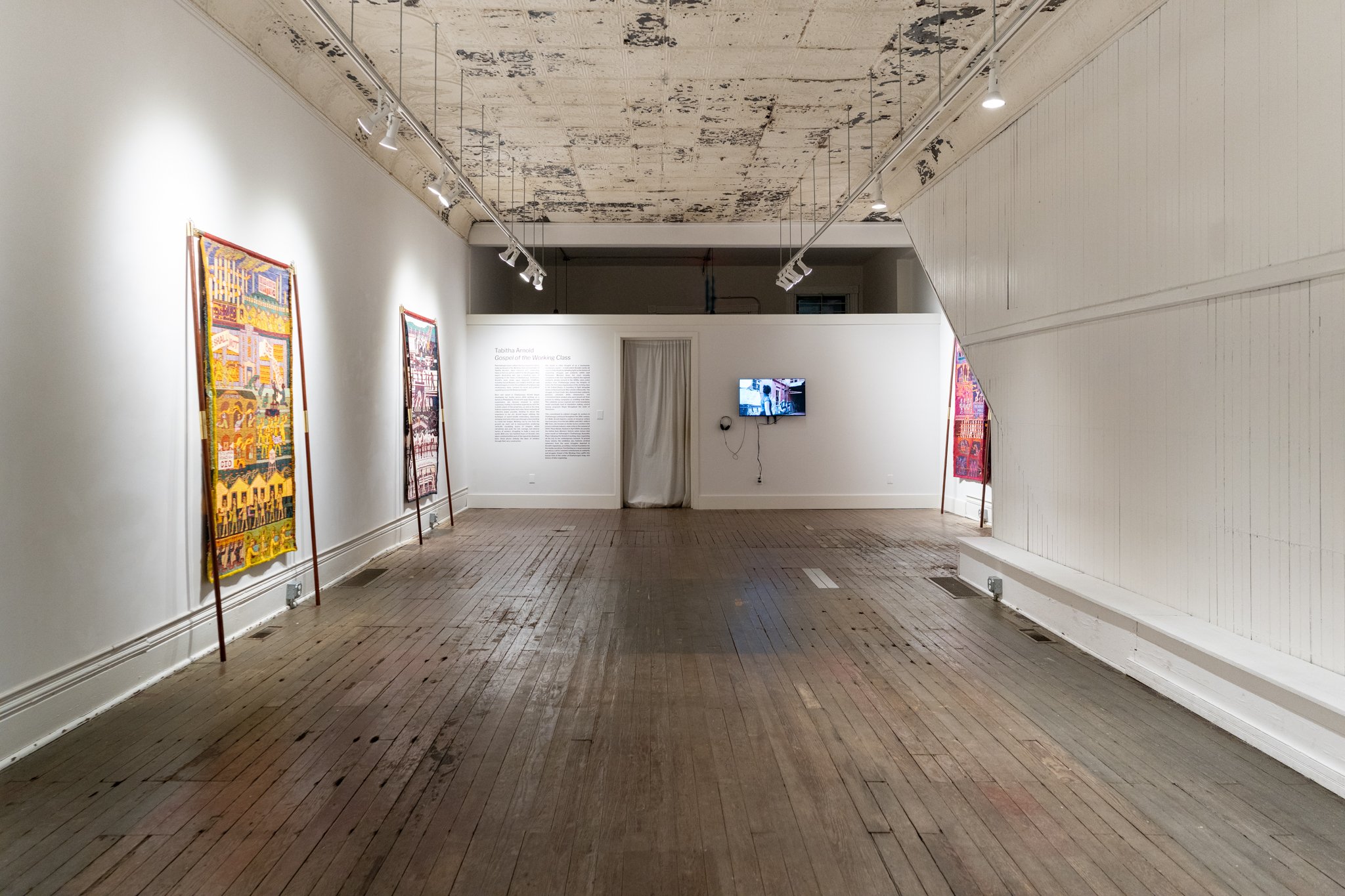
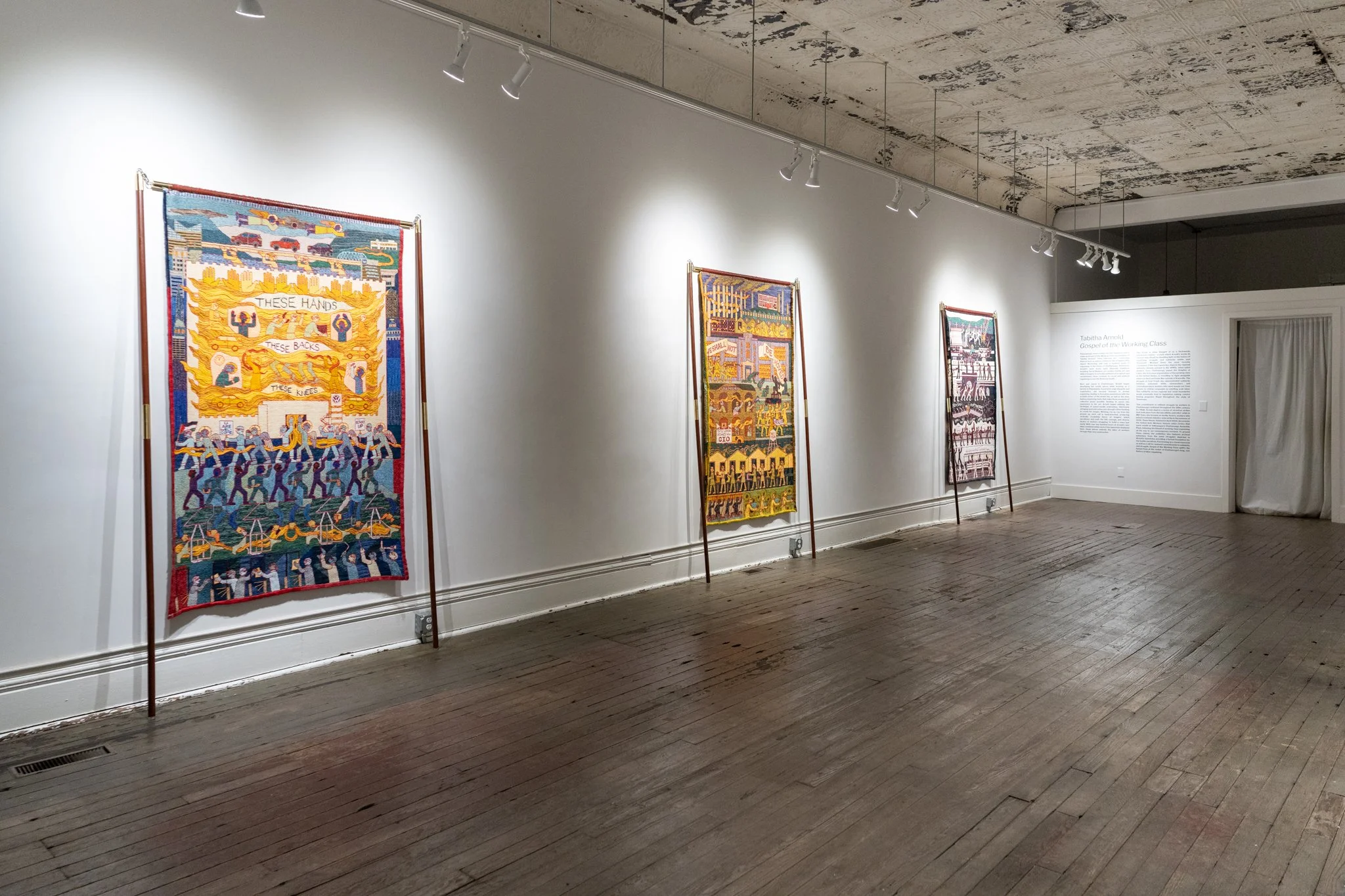
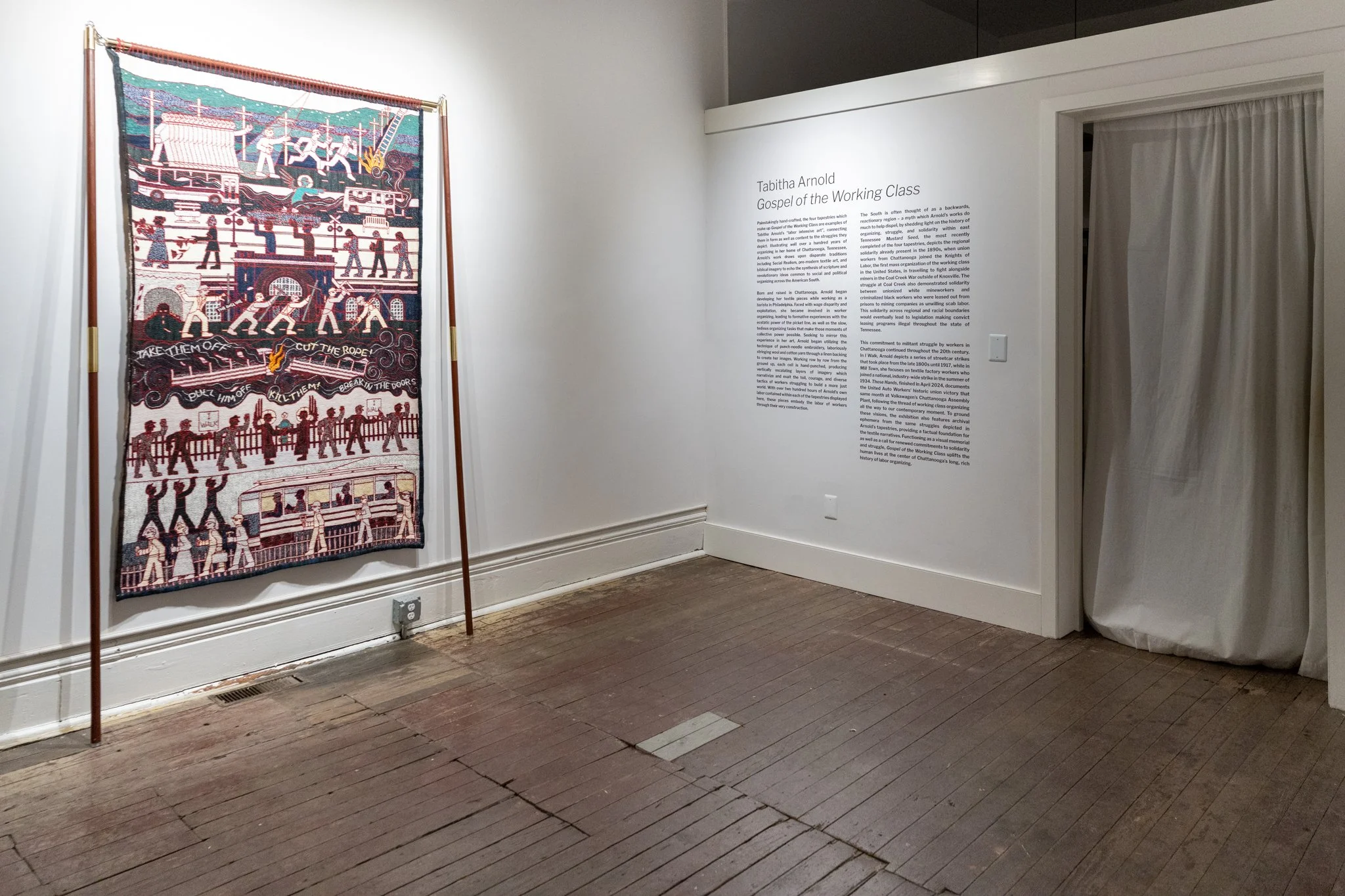
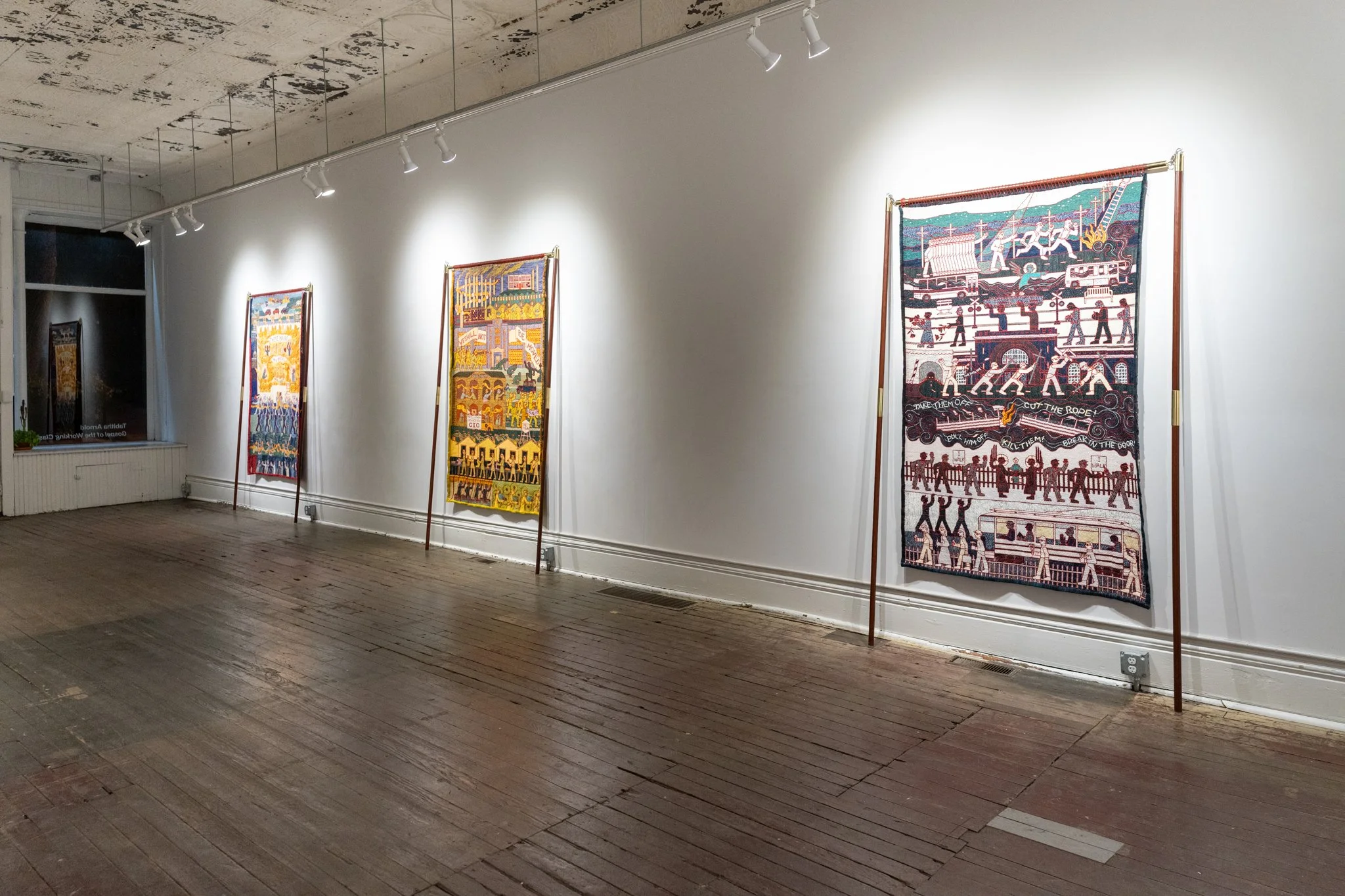
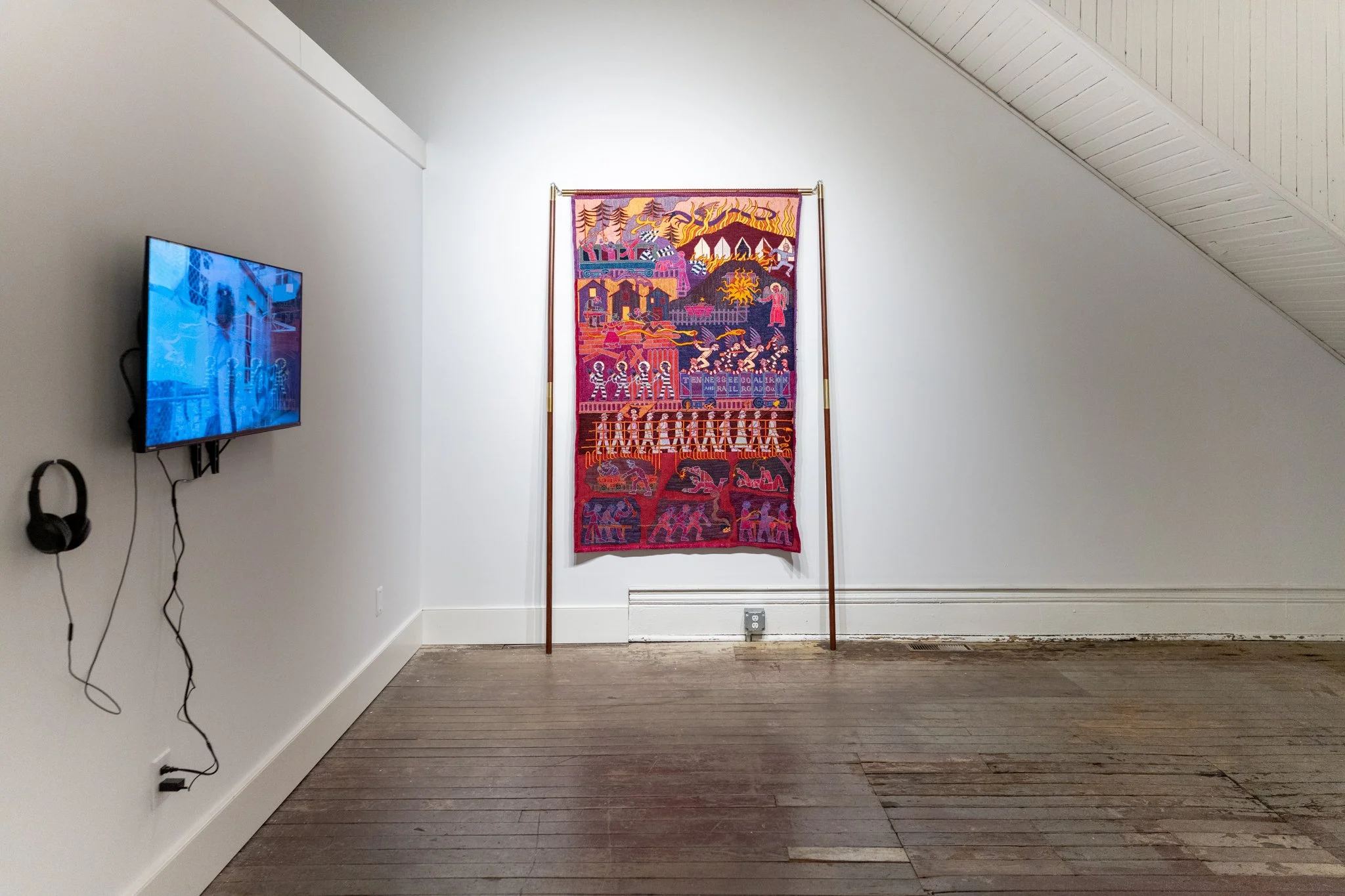
Painstakingly hand-crafted, the four tapestries which make up Gospel of the Working Class are examples of Tabitha Arnold’s “labor intensive art”, connecting them in form as well as content to the struggles they depict. Illustrating well over a hundred years of organizing in her home of Chattanooga, Tennessee, Arnold’s work draws upon disparate traditions including Social Realism, pre-modern textile art, and biblical imagery to echo the synthesis of scripture and revolutionary ideas common to social and political organizing across the American South.
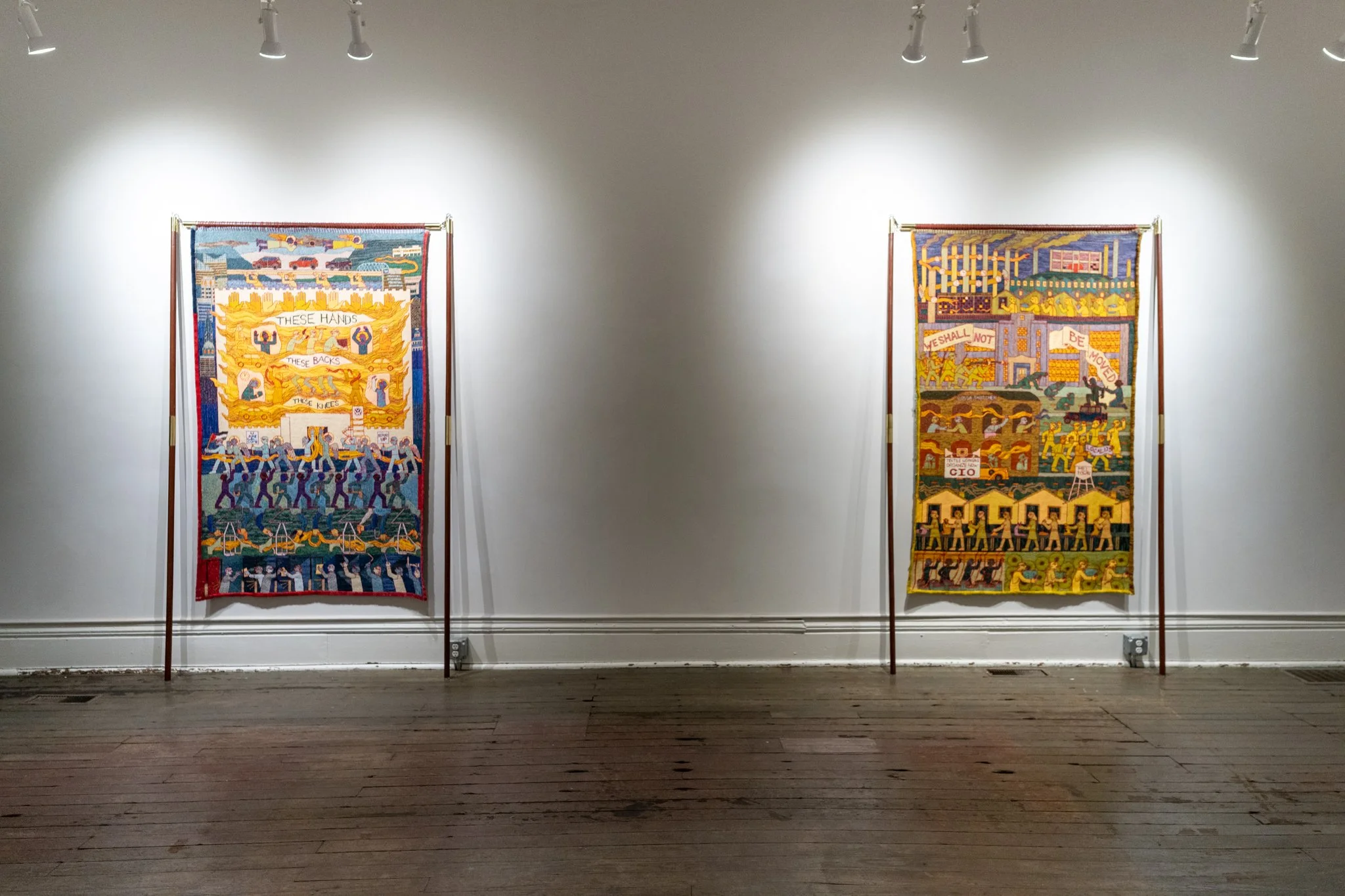
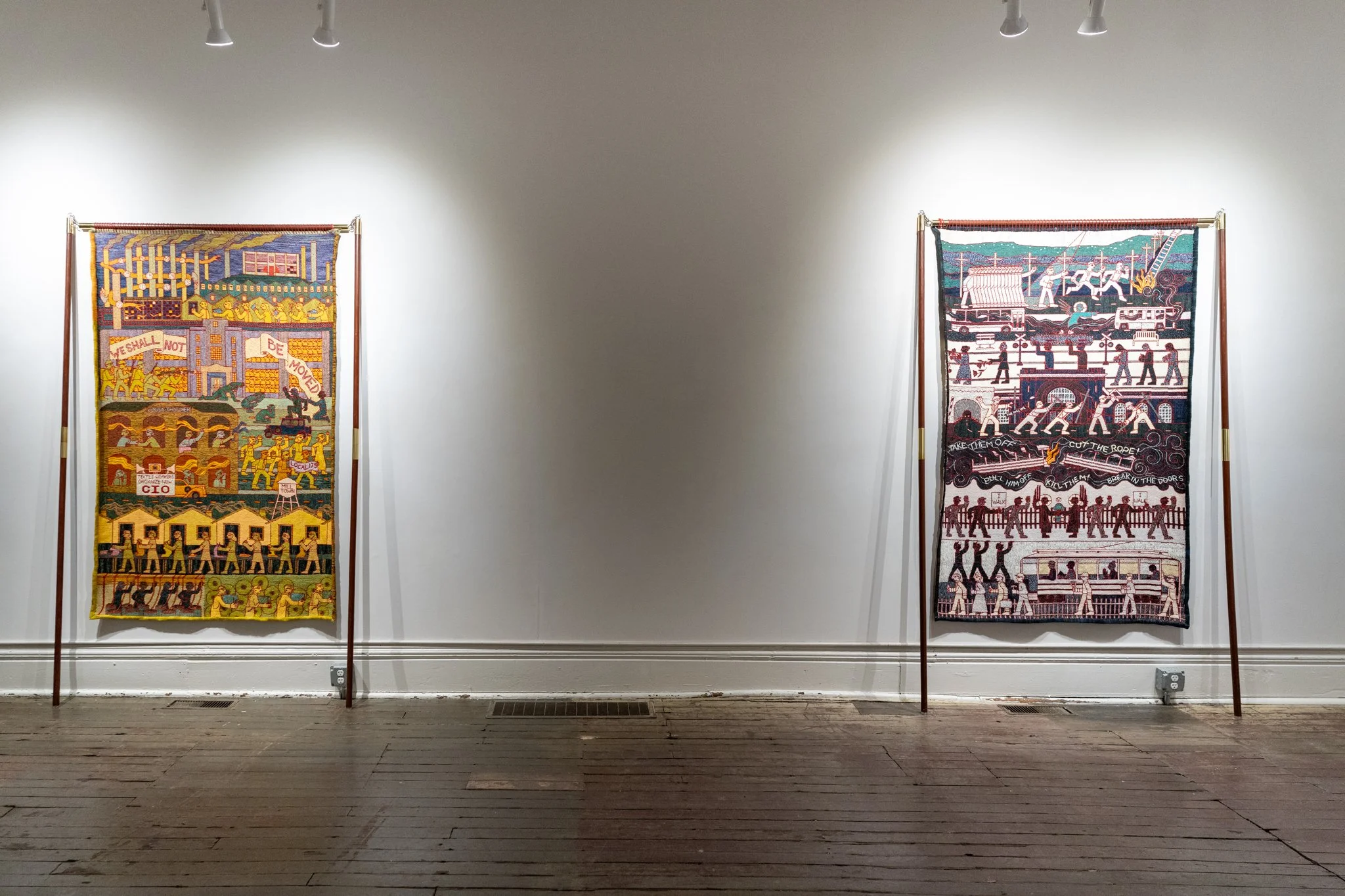
Born and raised in Chattanooga, Arnold began developing her textile pieces while working as a barista in Philadelphia. Faced with wage disparity and exploitation, she became involved in worker organizing, leading to formative experiences with the ecstatic power of the picket line, as well as the slow, tedious organizing tasks that make those moments of collective power possible. Seeking to mirror this experience in her art, Arnold began utilizing the technique of punch-needle embroidery, laboriously stringing wool and cotton yarn through a linen backing to create her images. Working row by row from the ground up, each cell is hand-punched, producing vertically escalating layers of imagery which narrativize and exalt the toil, courage, and diverse tactics of workers struggling to build a more just world. With over two hundred hours of Arnold’s own labor contained within each of the tapestries displayed here, these pieces embody the labor of workers through their very construction.
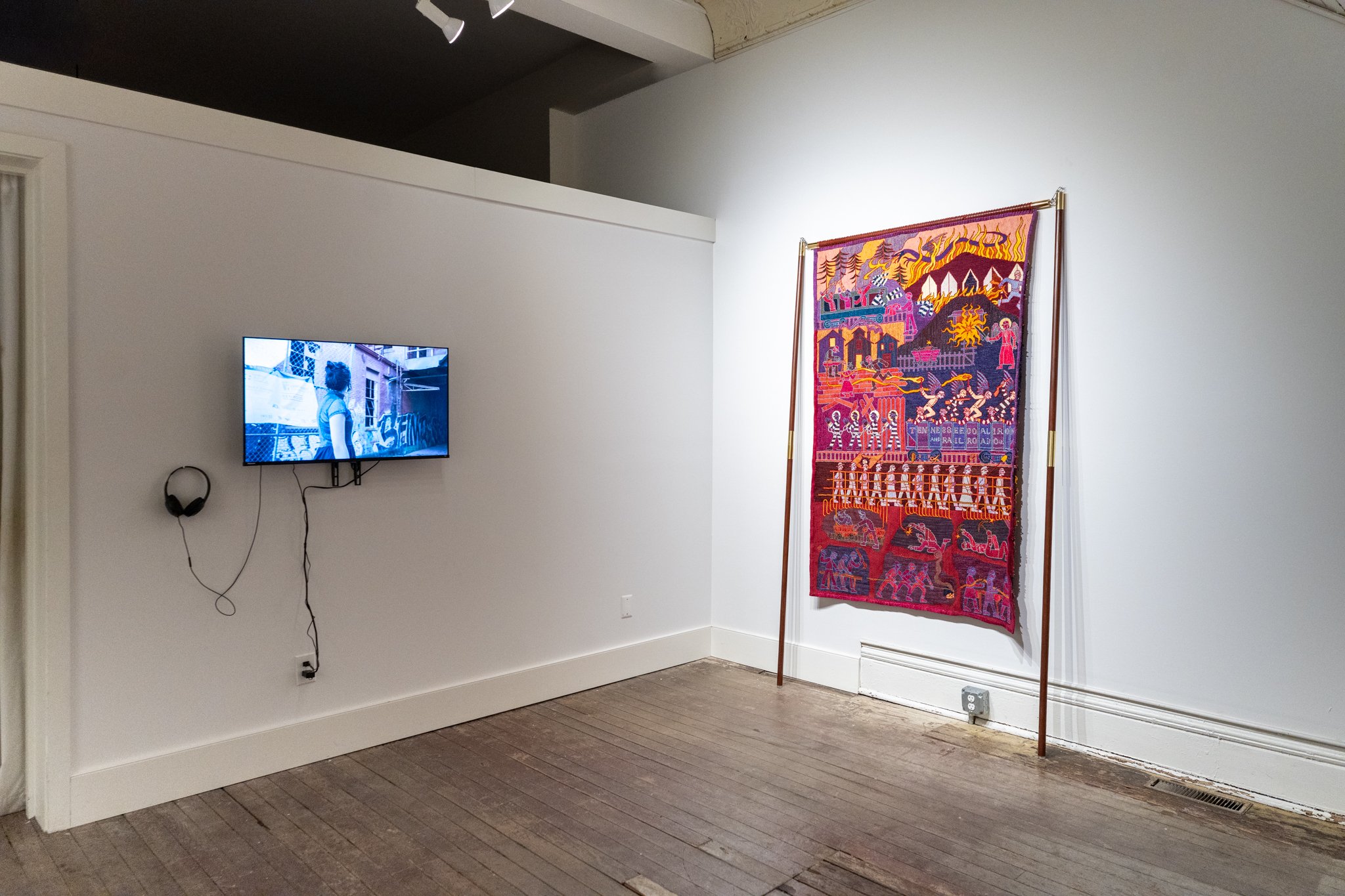
The South is often thought of as a backwards, reactionary region – a myth which Arnold’s works do much to help dispel, by shedding light on the history of organizing, struggle, and solidarity within east Tennessee. Mustard Seed, the most recently completed of the four tapestries, depicts the regional solidarity already present in the 1890s, when union workers from Chattanooga joined the Knights of Labor, the first mass organization of the working class in the United States, in travelling to fight alongside miners in the Coal Creek War outside of Knoxville. The struggle at Coal Creek also demonstrated solidarity between unionized white mineworkers and criminalized black workers who were leased out from prisons to mining companies as unwilling scab labor. This solidarity across regional and racial boundaries would eventually lead to legislation making convict leasing programs illegal throughout the state of Tennessee.
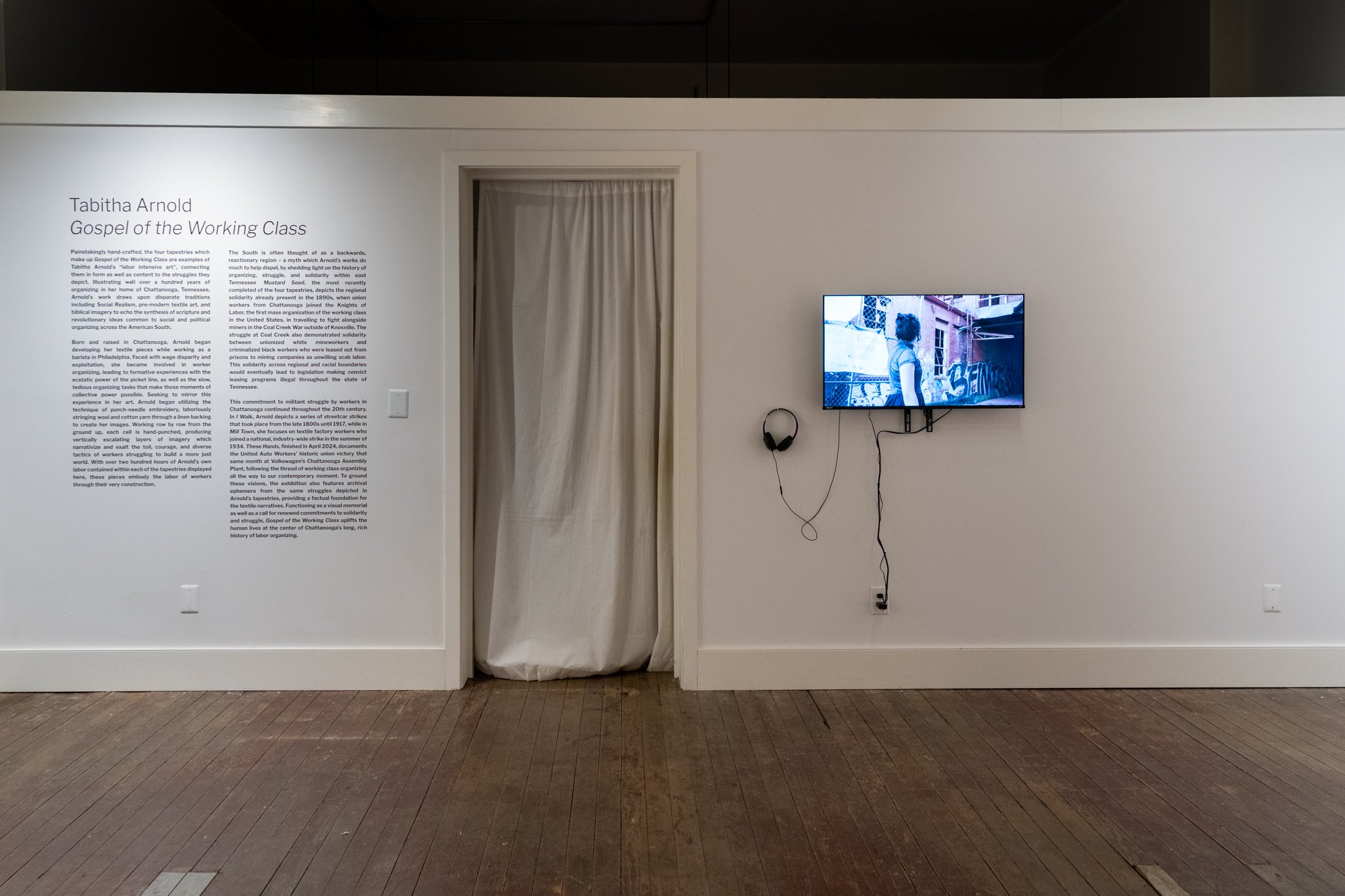
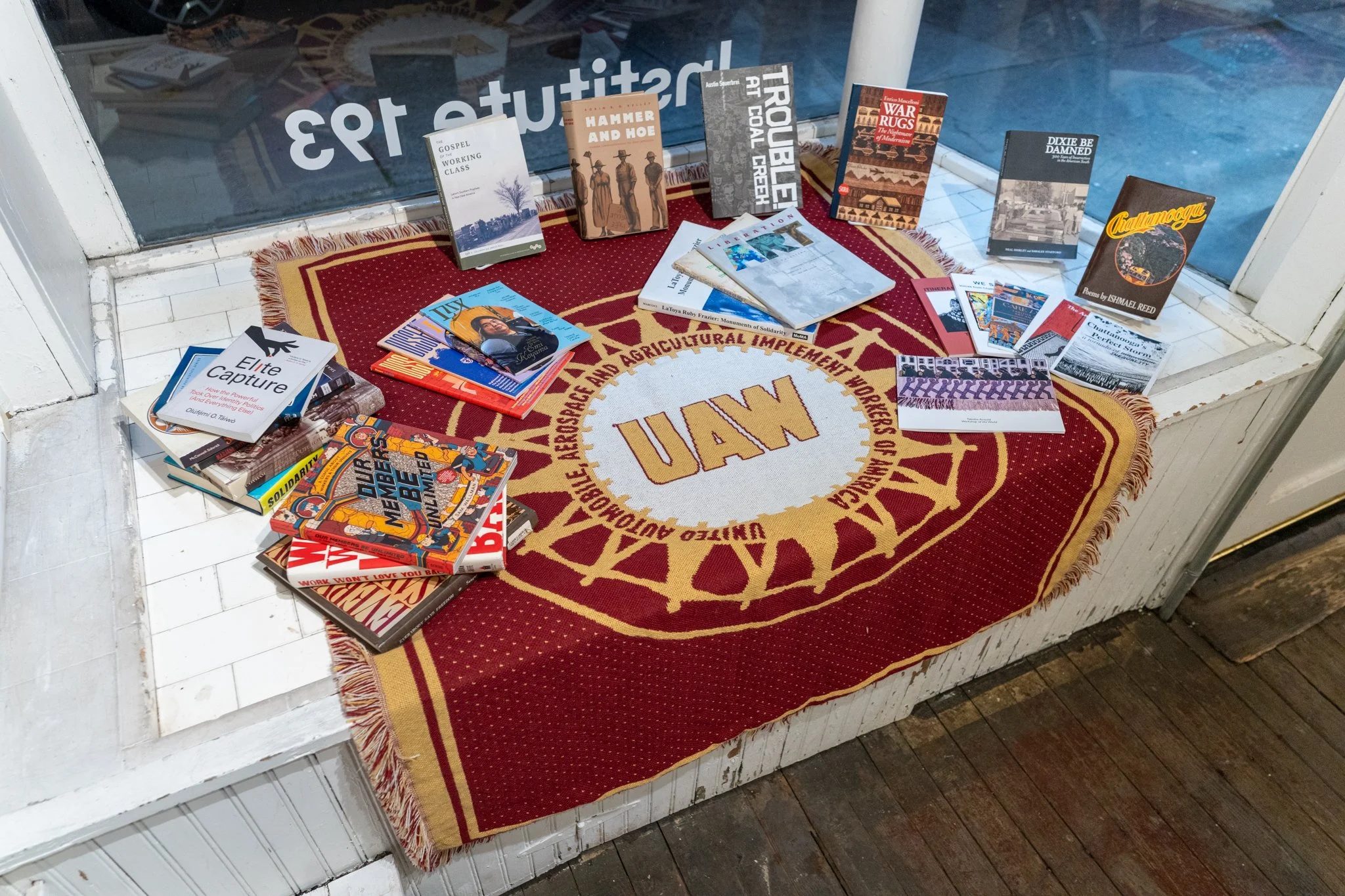
This commitment to militant struggle by workers in Chattanooga continued throughout the 20th century. In I Walk, Arnold depicts a series of streetcar strikes that took place from the late 1800s until 1917, while in Mill Town, she focuses on textile factory workers who joined a national, industry-wide strike in the summer of 1934. These Hands, finished in April 2024, documents the United Auto Workers’ historic union victory that same month at Volkswagen’s Chattanooga Assembly Plant, following the thread of working class organizing all the way to our contemporary moment. To ground these visions, the exhibition also features archival ephemera from the same struggles depicted in Arnold’s tapestries, providing a factual foundation for the textile narratives. Functioning as a visual memorial as well as a call for renewed commitments to solidarity and struggle, Gospel of the Working Class uplifts the human lives at the center of Chattanooga’s long, rich history of labor organizing.