
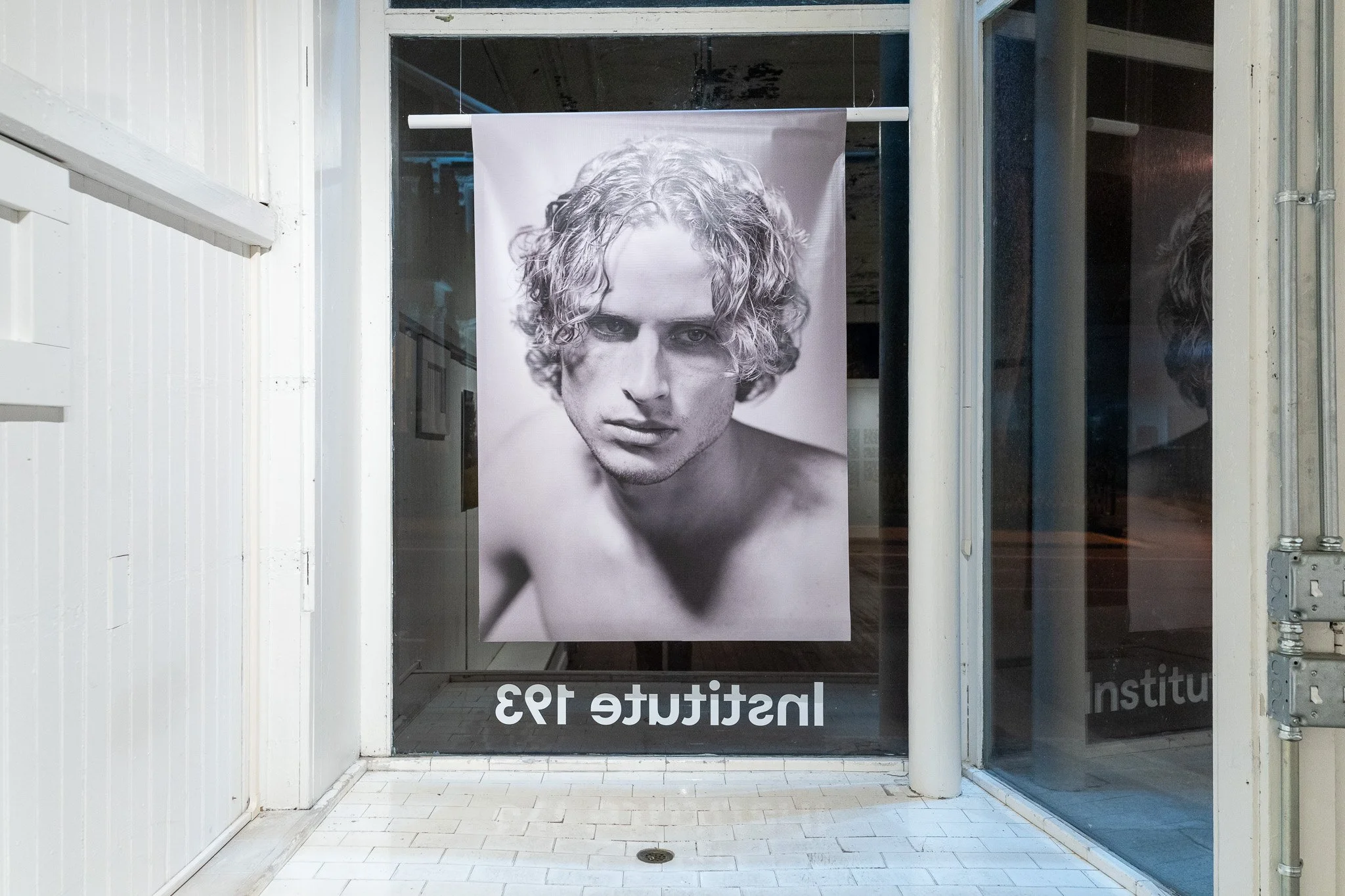
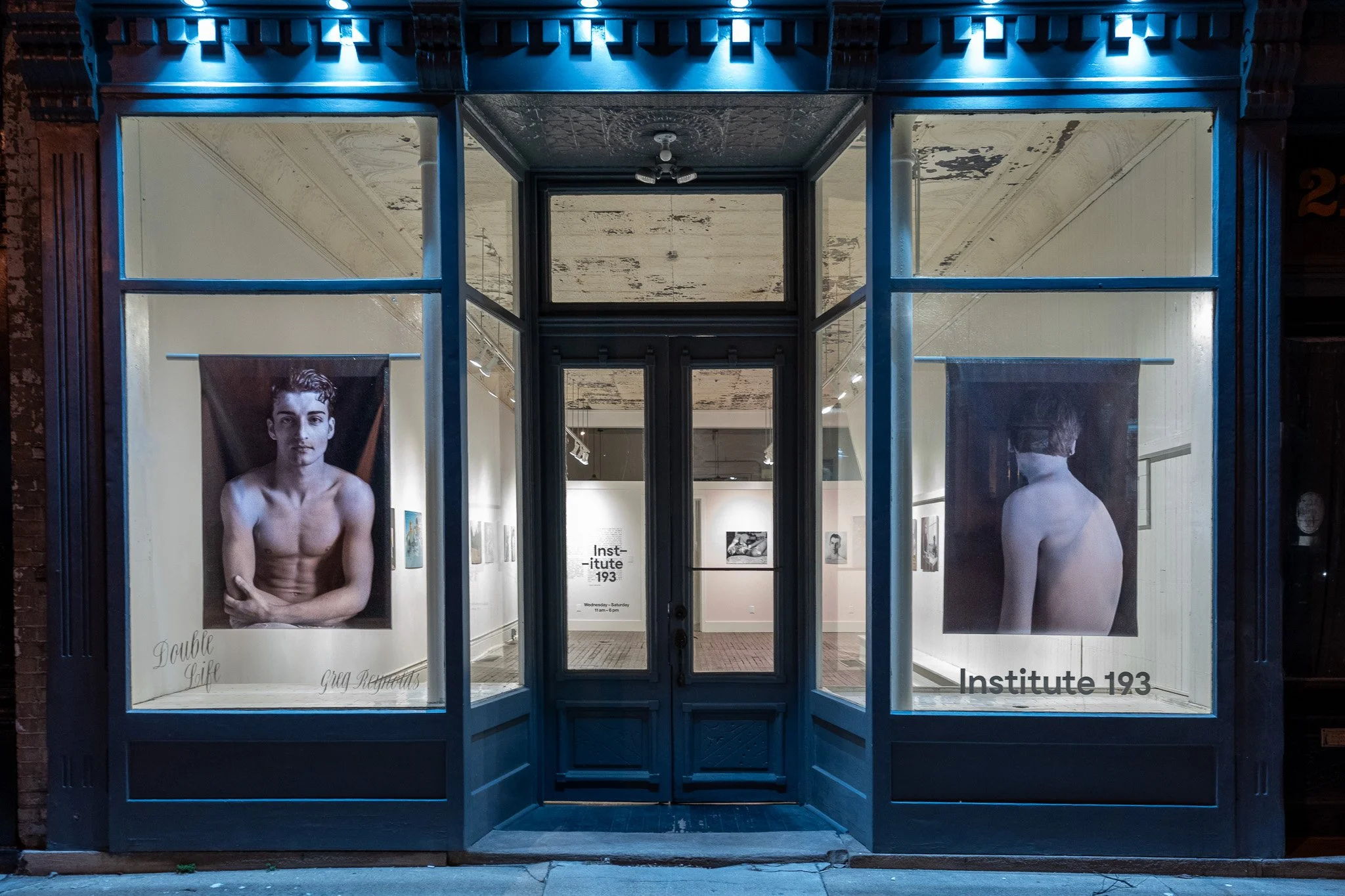

Greg Reynolds
Double Life
March 13 - April 25, 2026
“WHETHER YOU LOVE WHAT YOU LOVE
OR LIVE IN DIVIDED CEASELESS REVOLT AGAINST IT
WHAT YOU LOVE IS YOUR FATE.”
-Frank Bidart, 1985
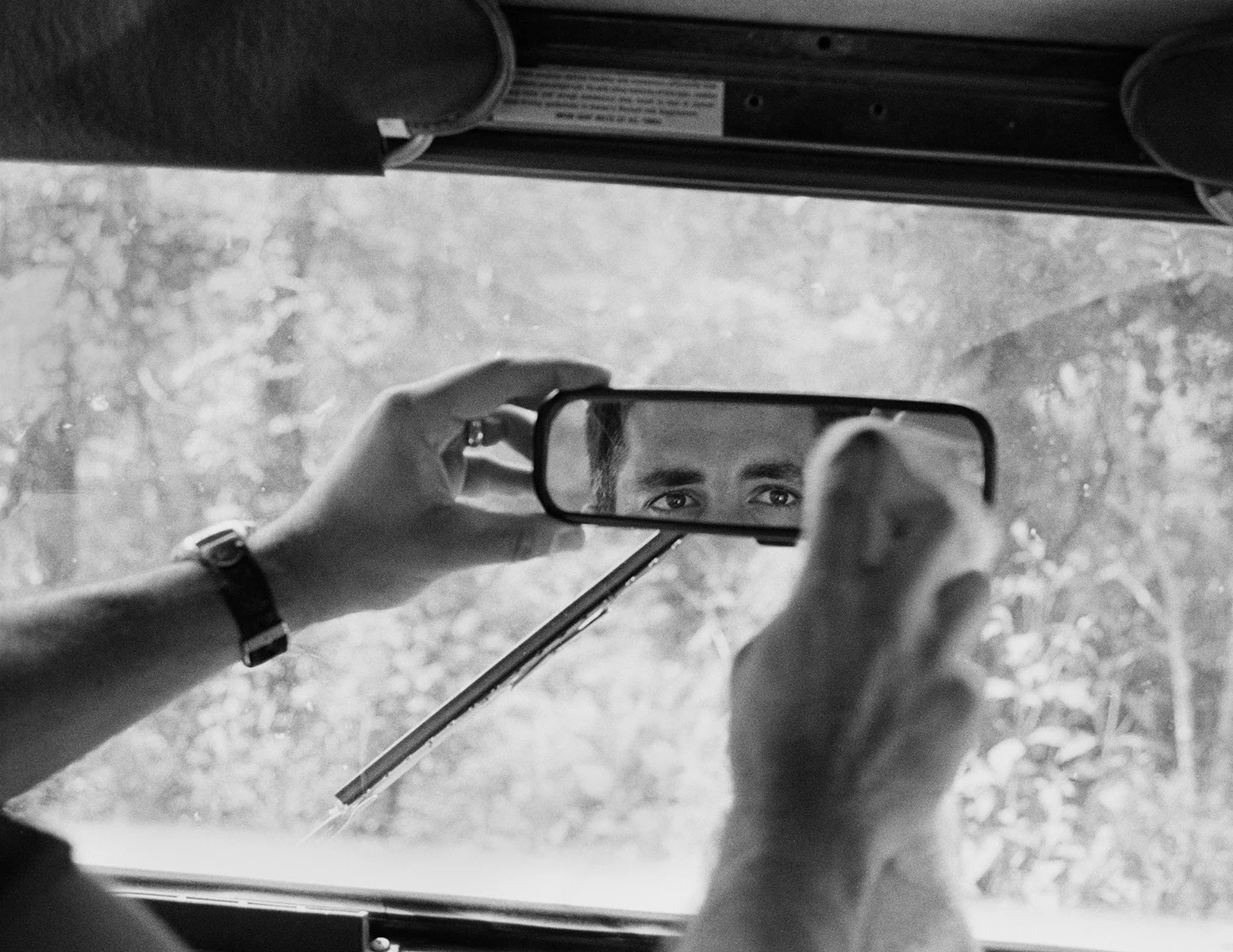
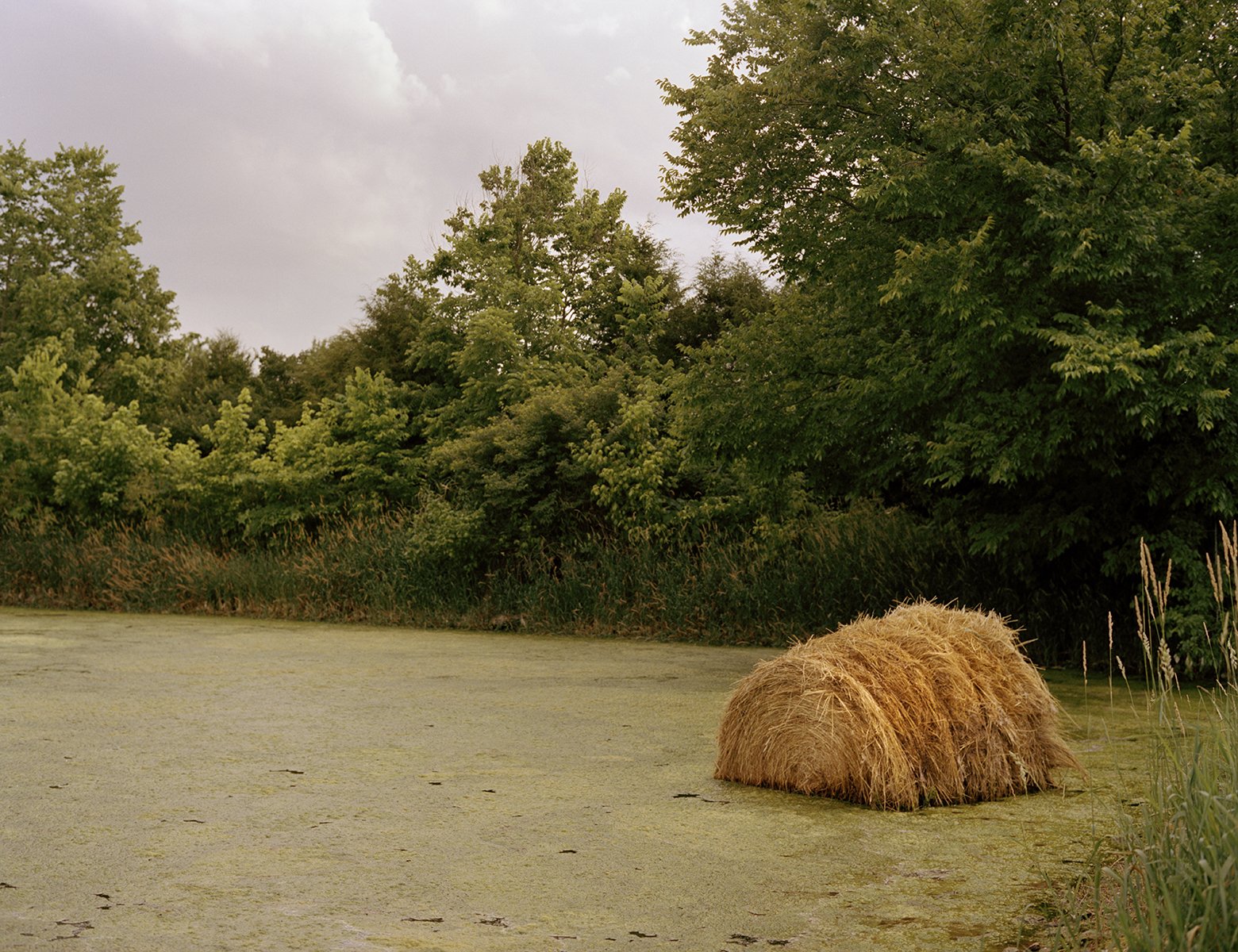
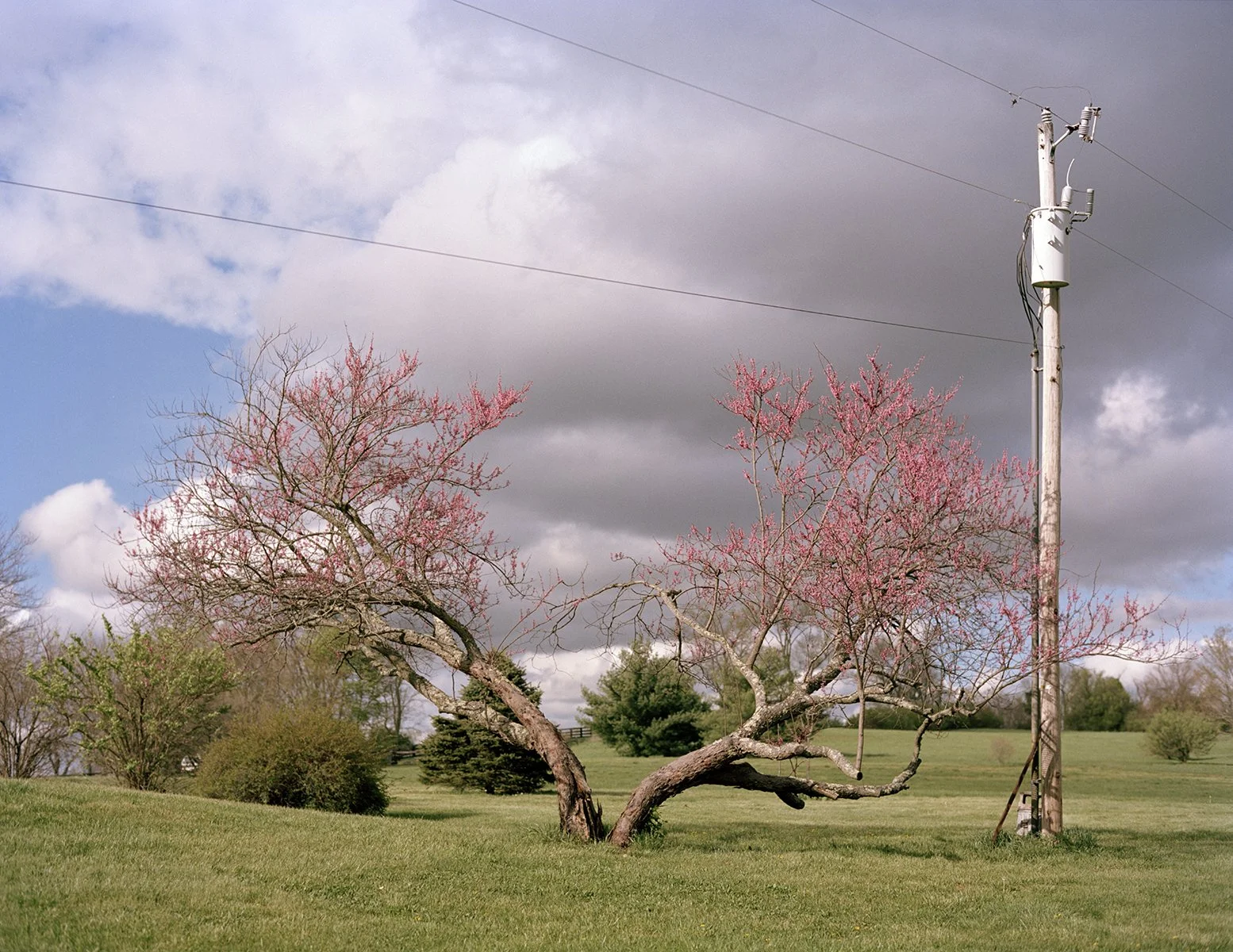
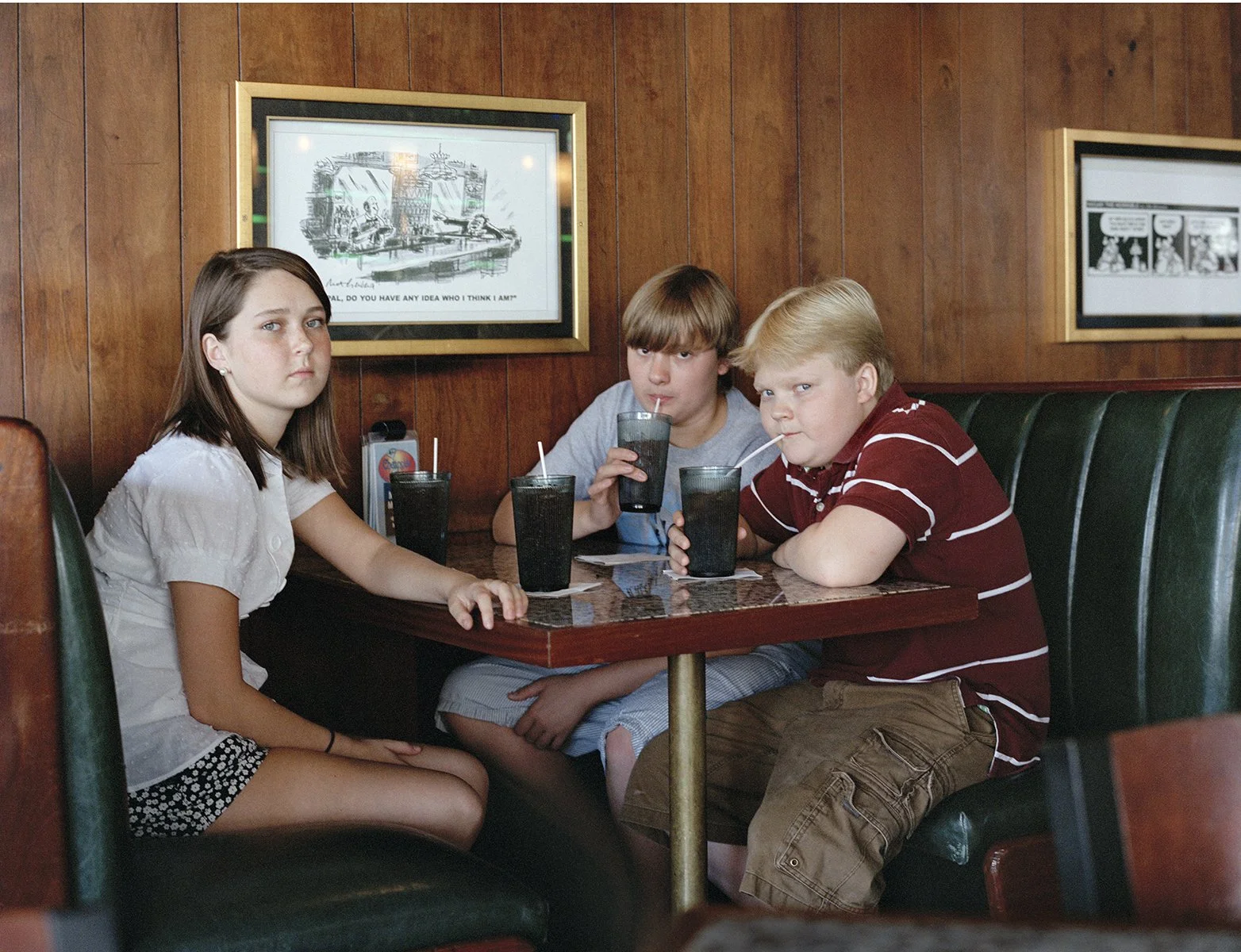
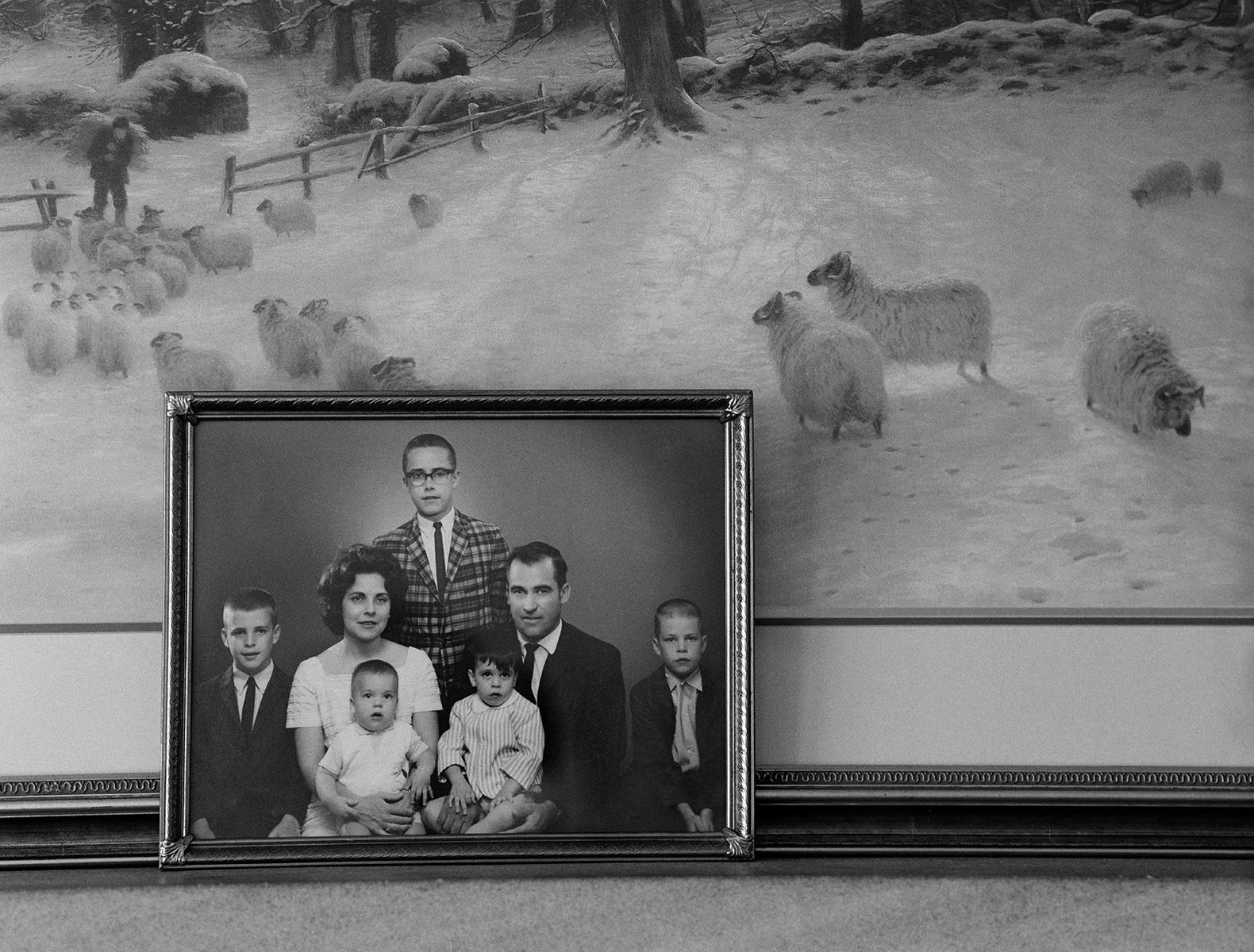
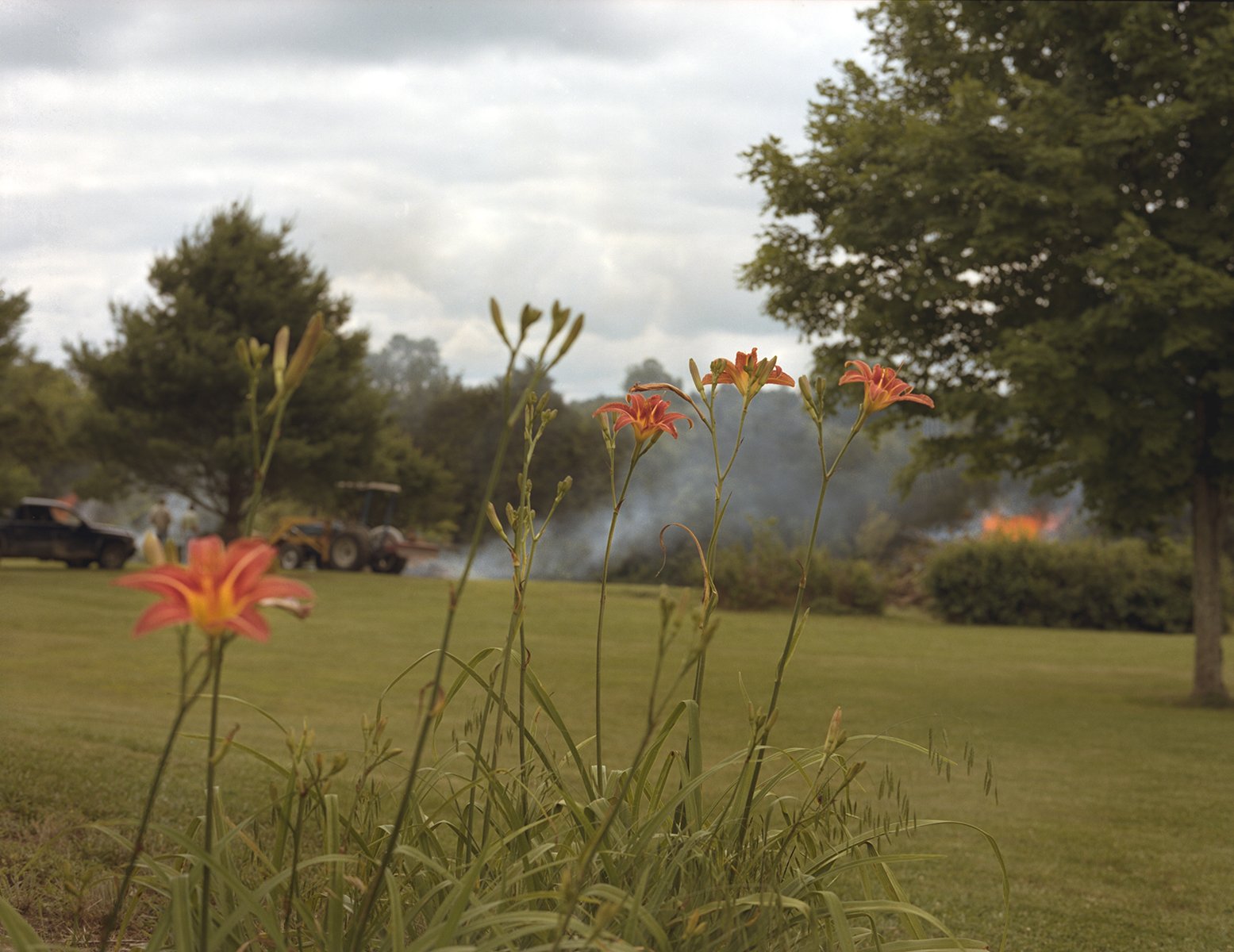
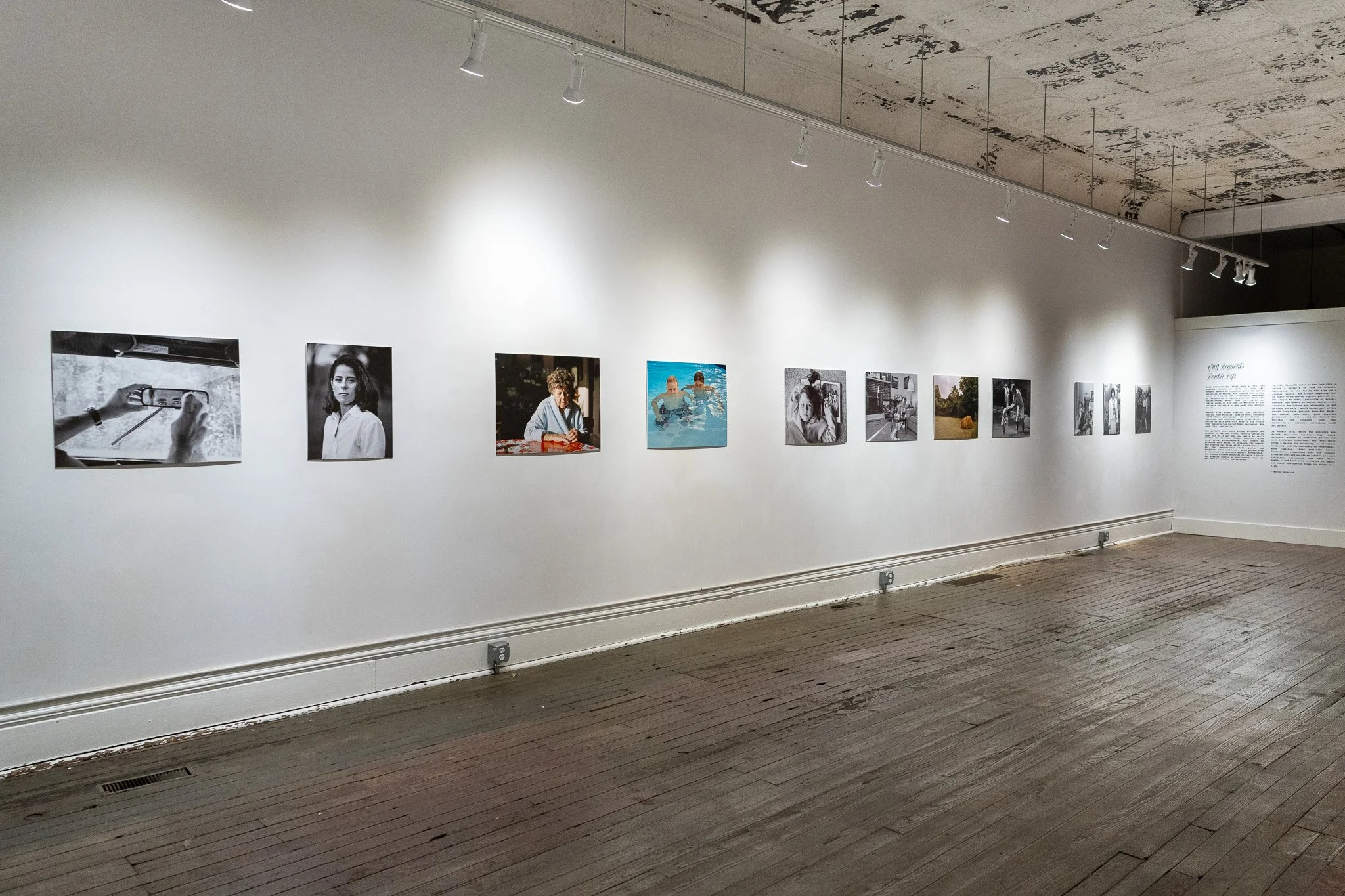
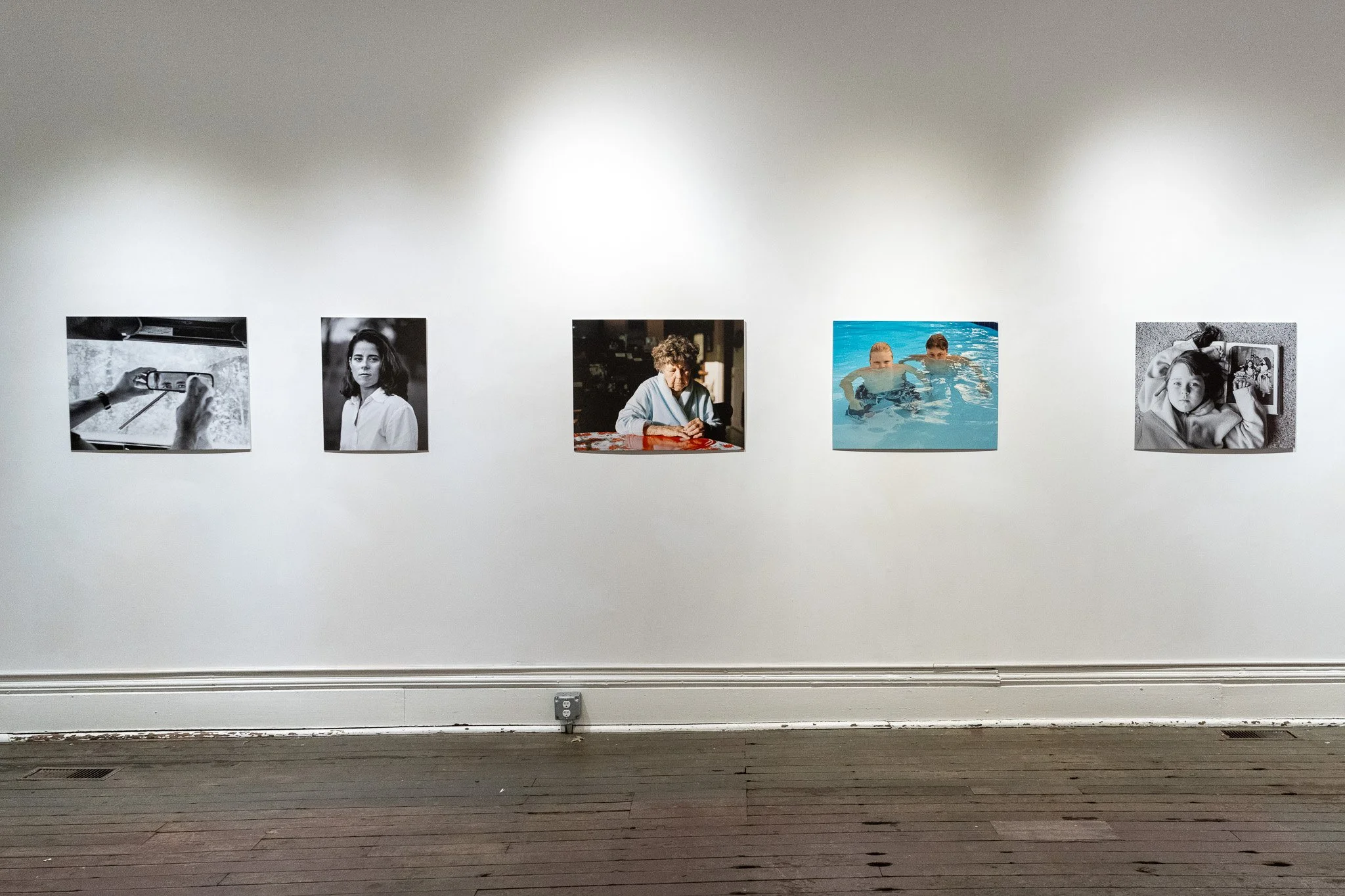
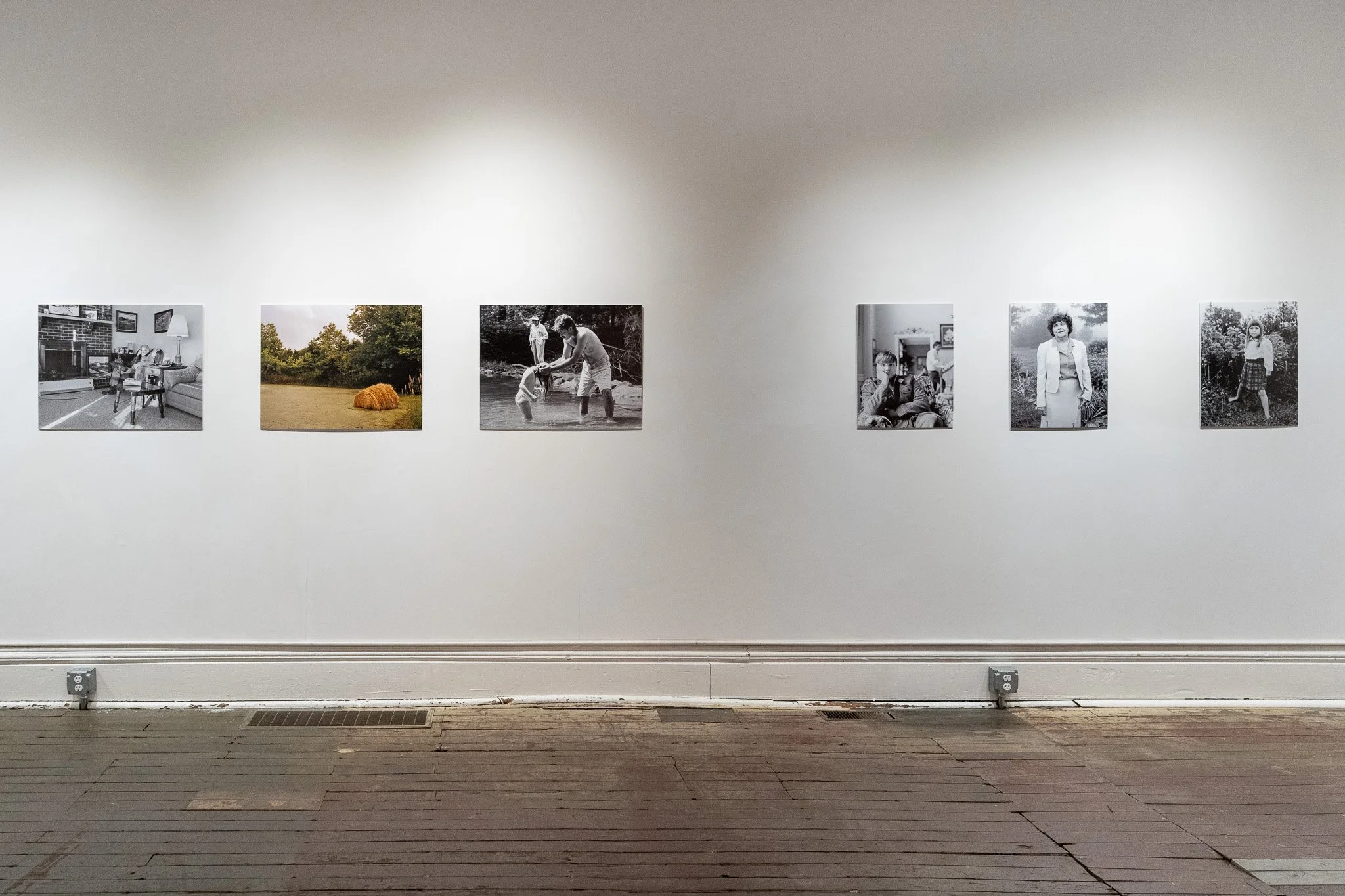
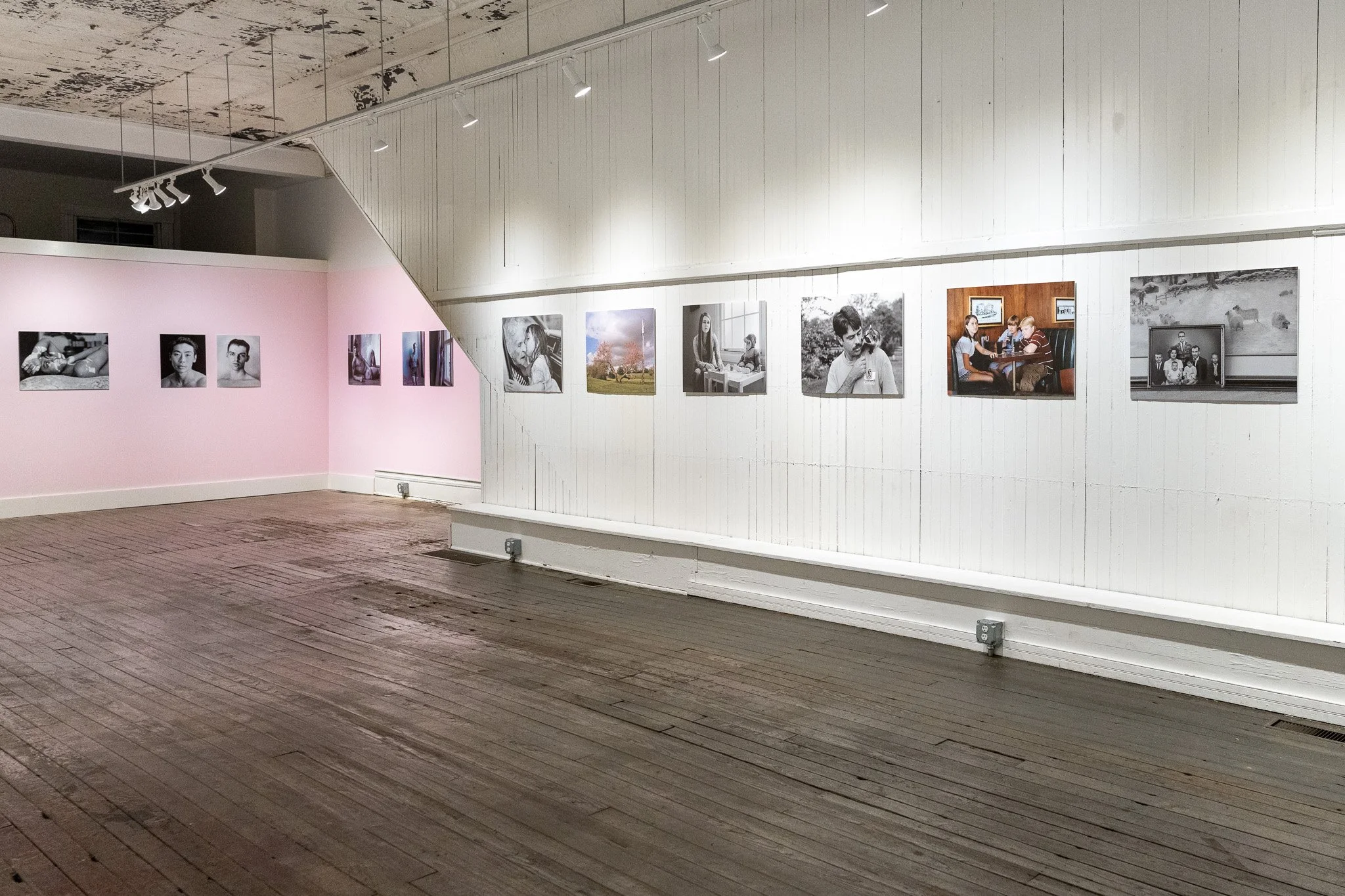
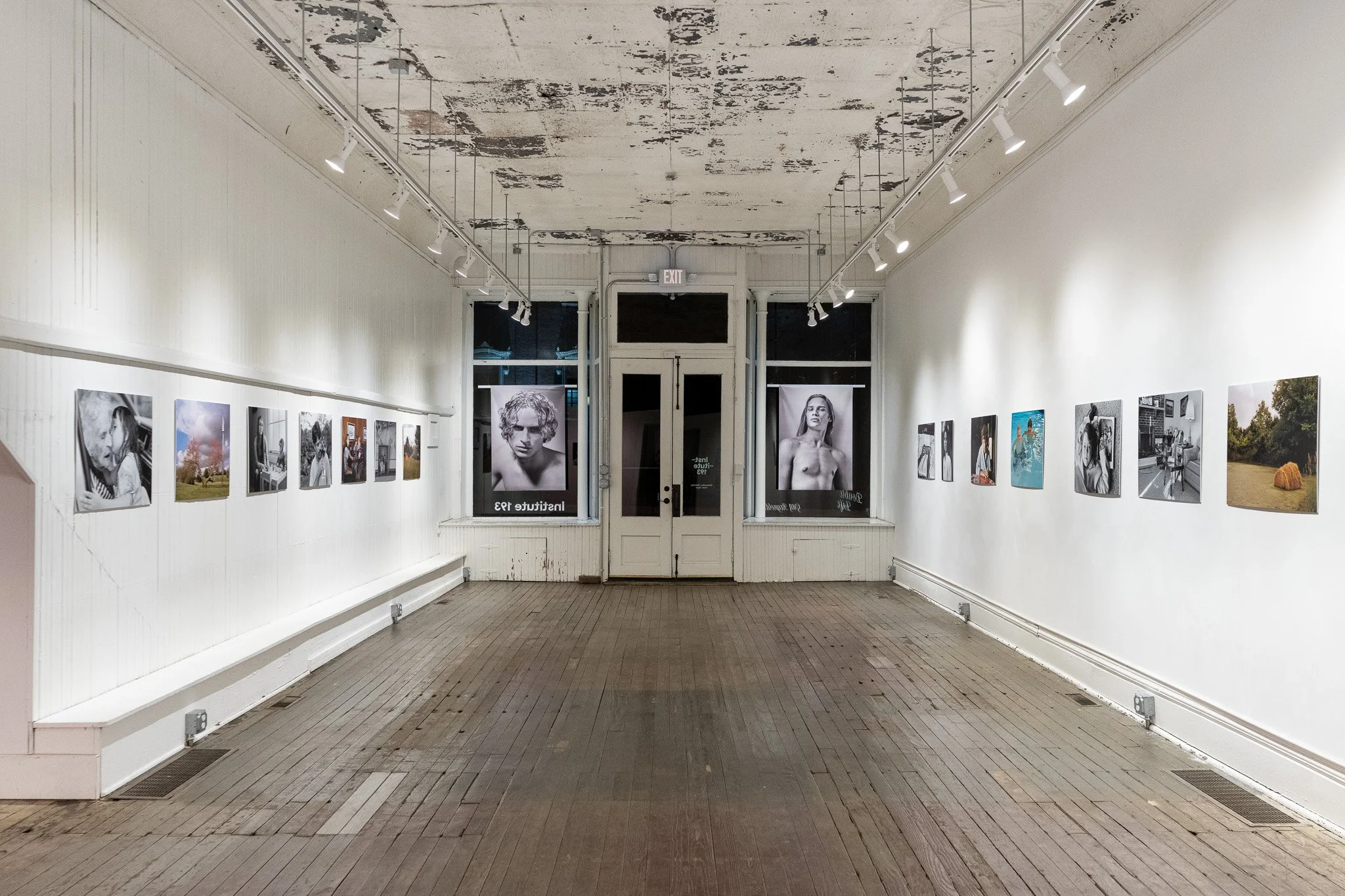
Greg Reynolds has spent much of his life looking closely at those he loves. His images, marked by technical precision and an attention to beauty, are charged with a deep sense of longing and a reflective awareness of the past as an ongoing presence. That same attentiveness moves from the fields and family rooms of his home in Kentucky to the intimate portraits of men made over several decades.
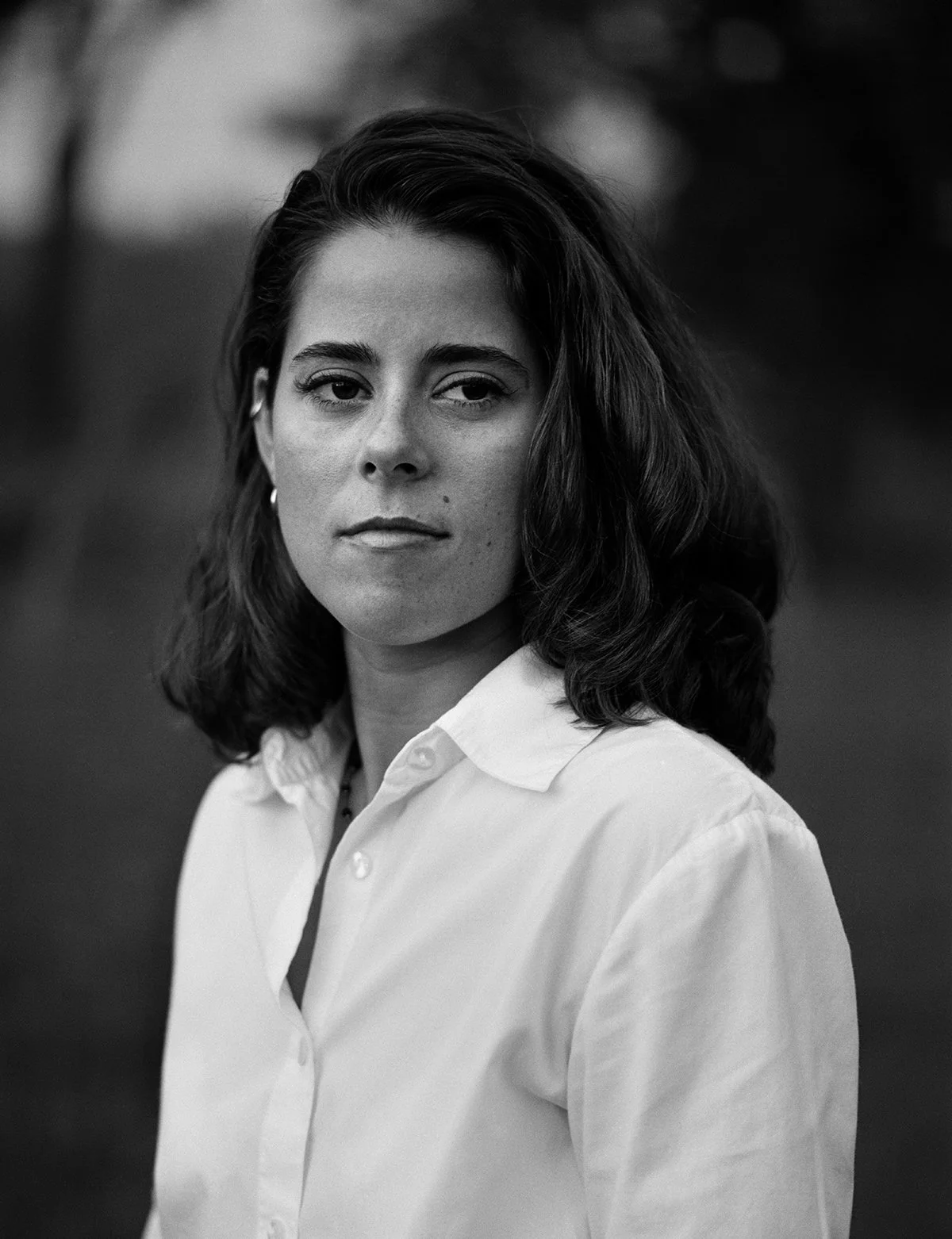
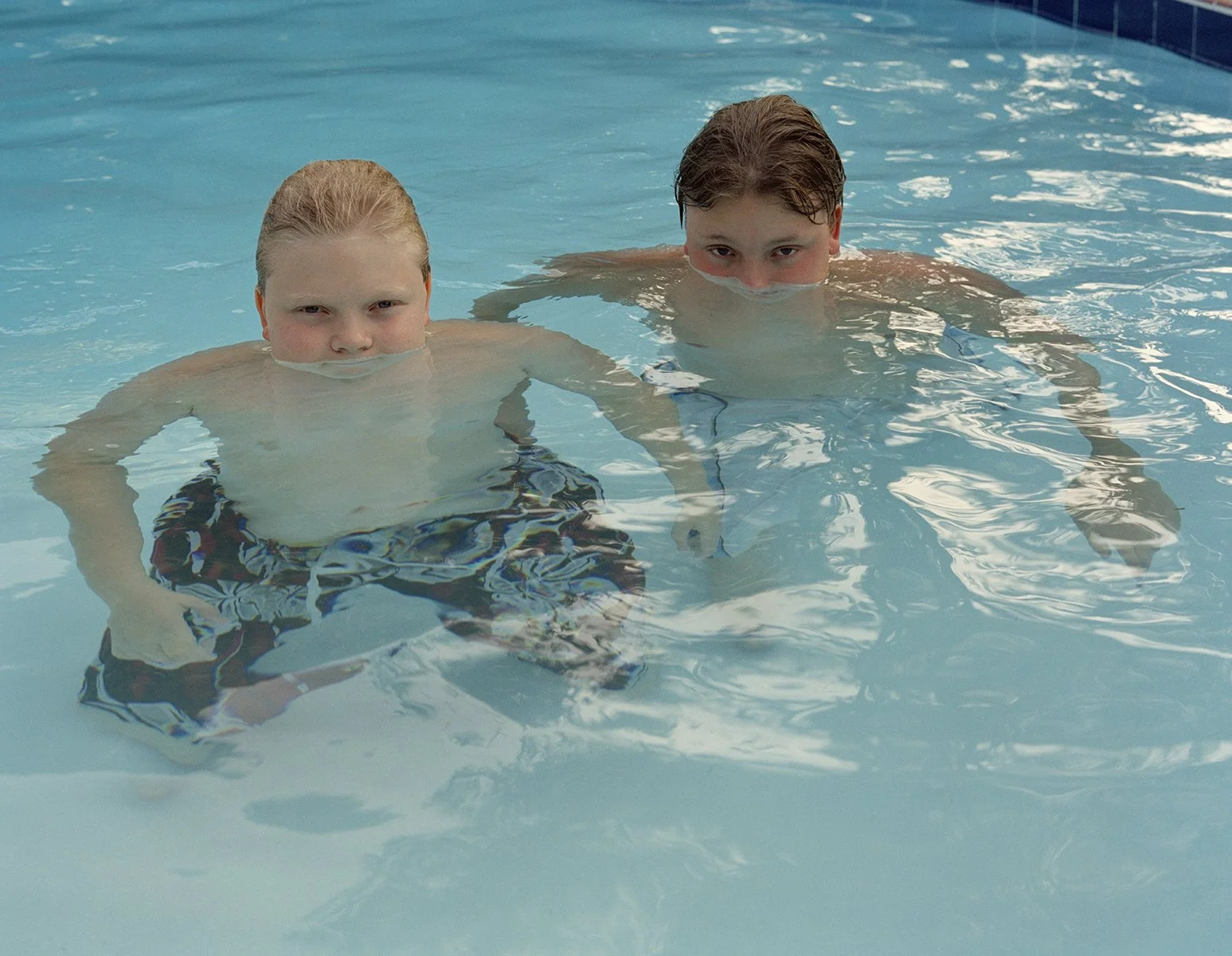
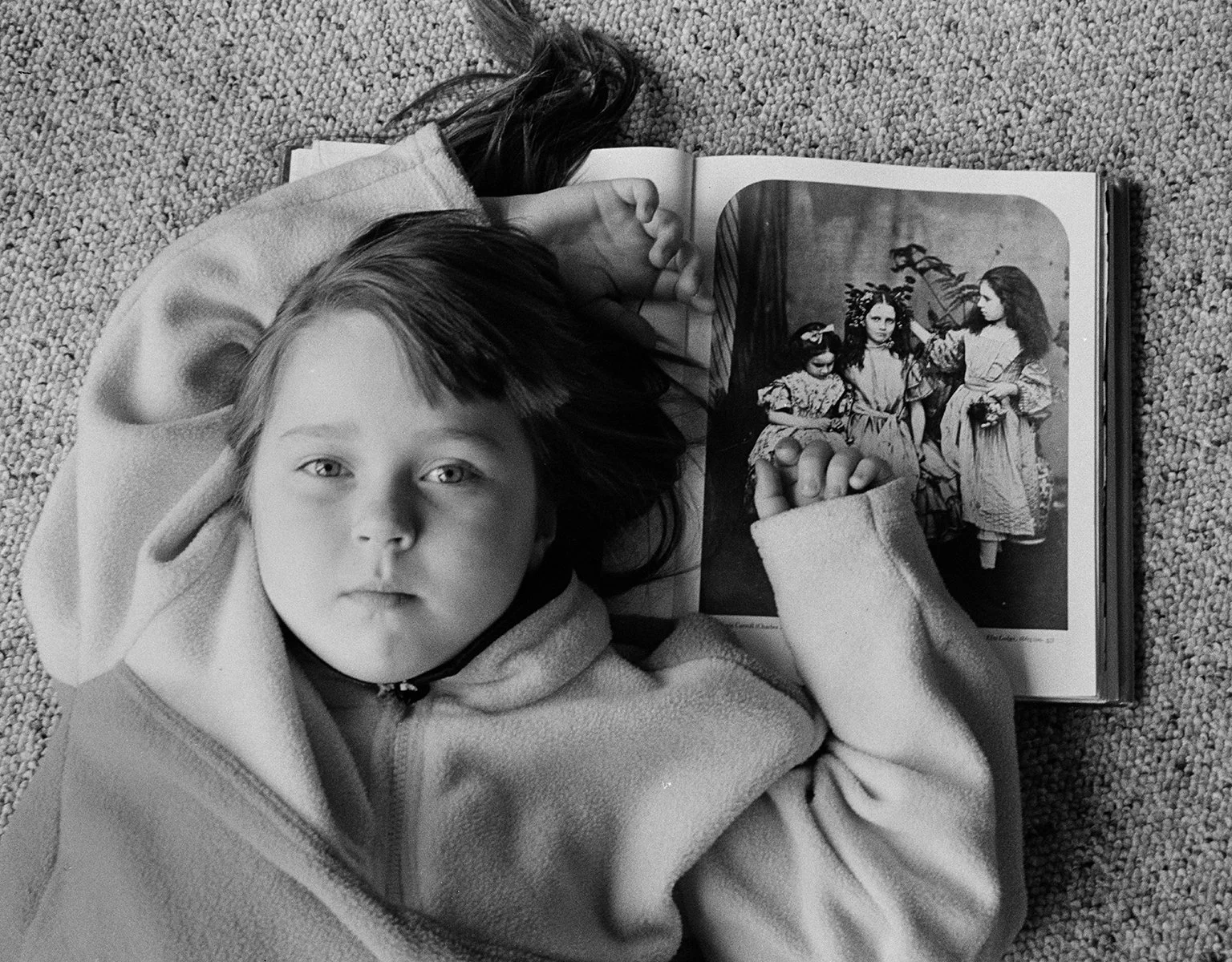
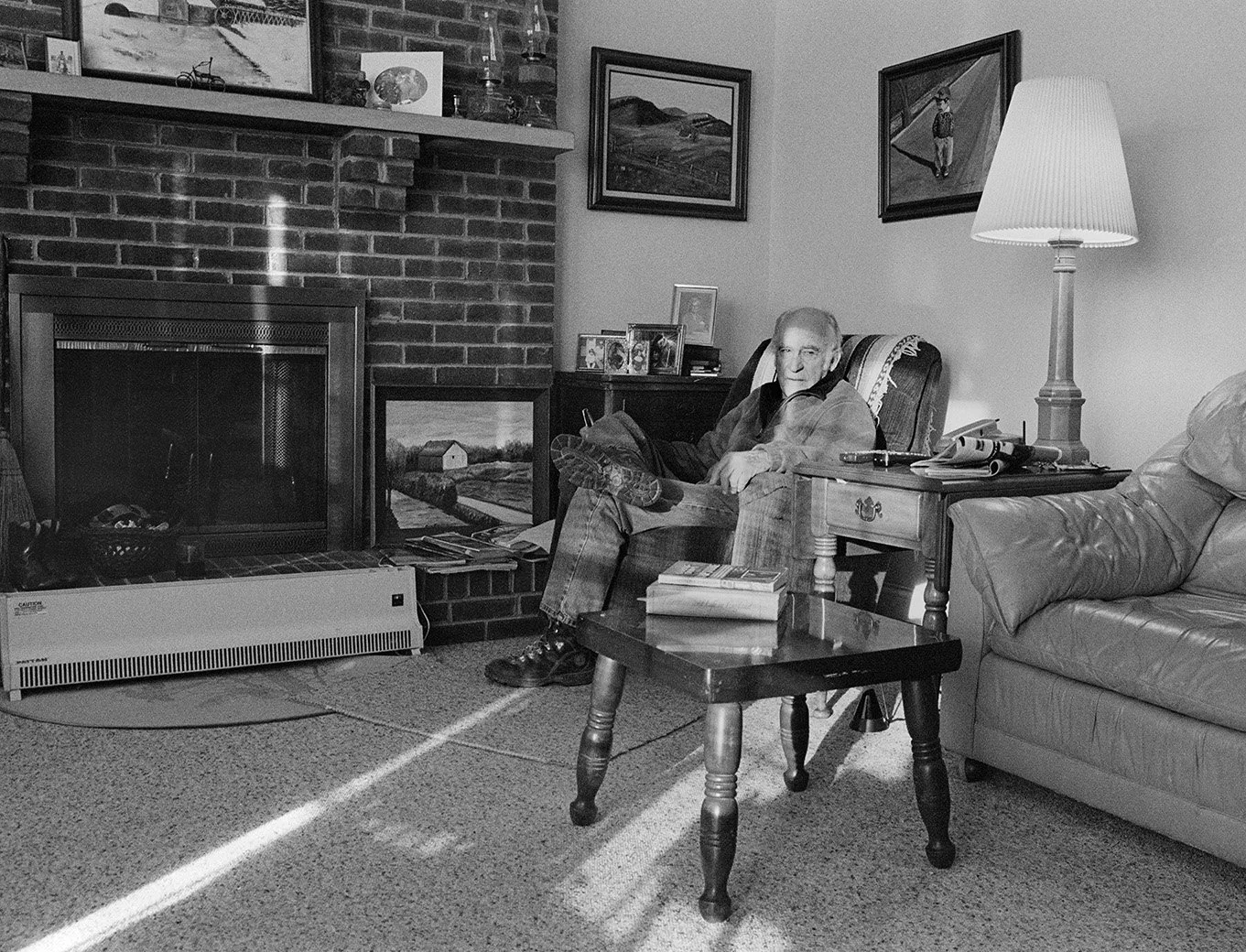
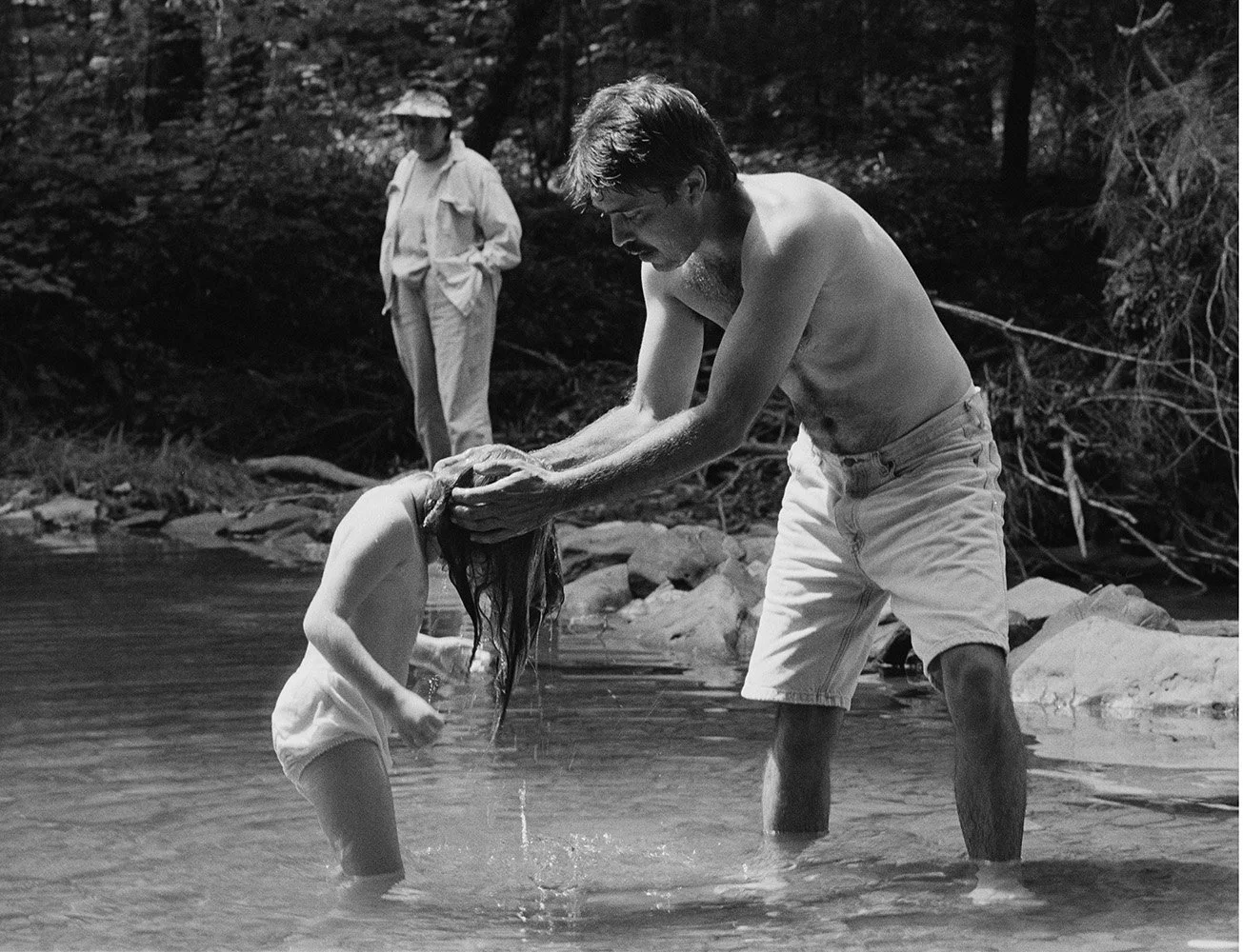
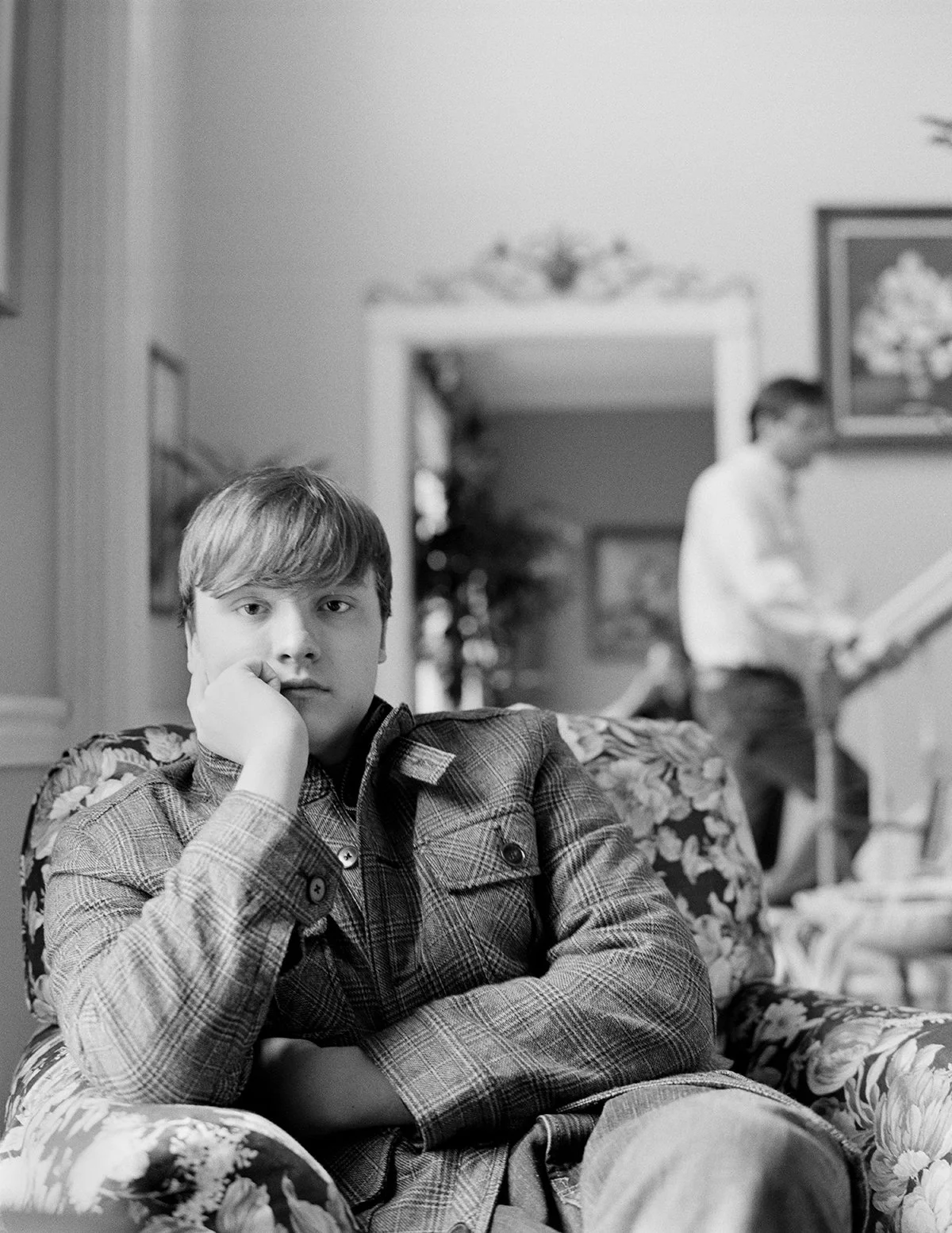
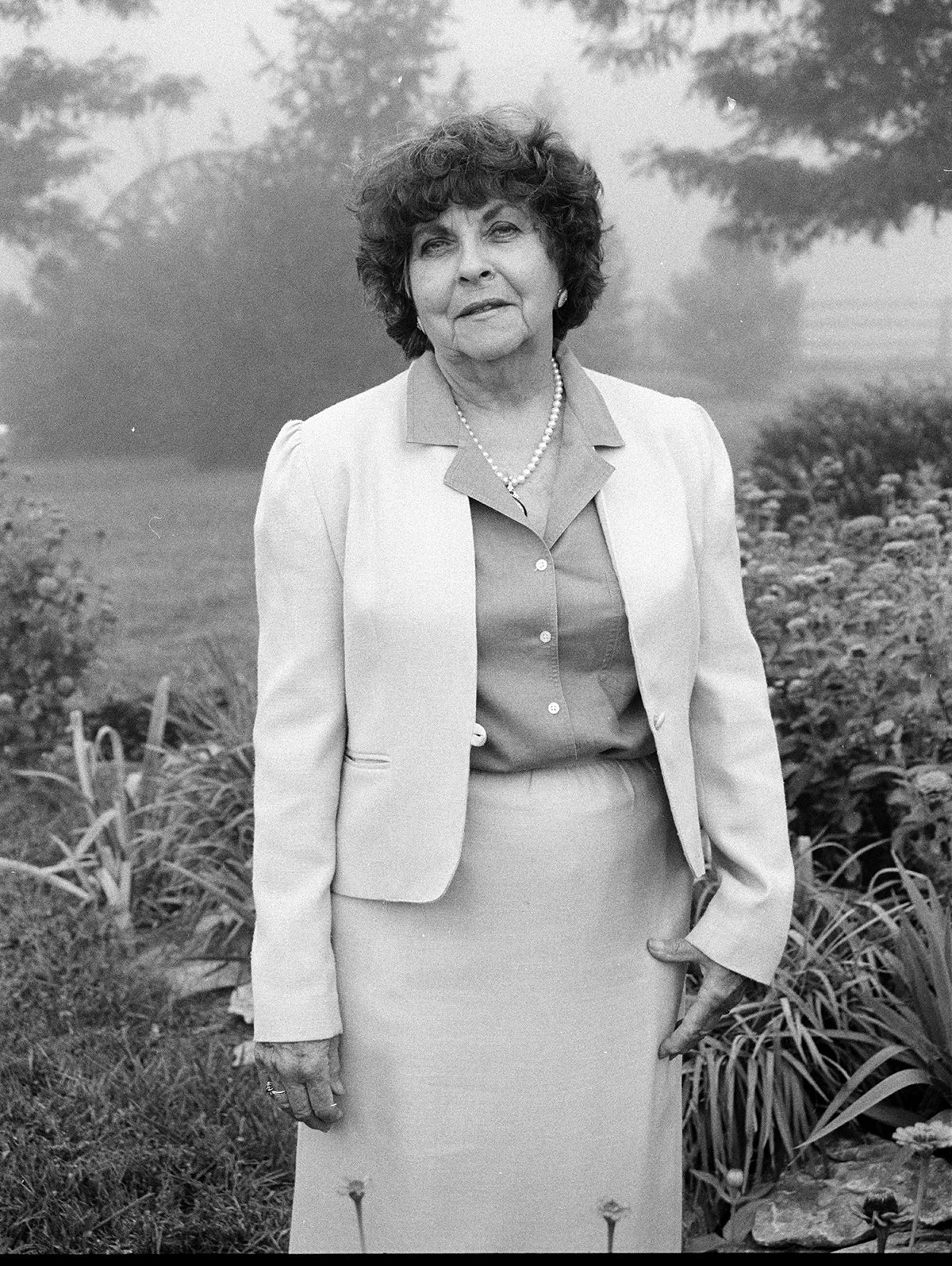
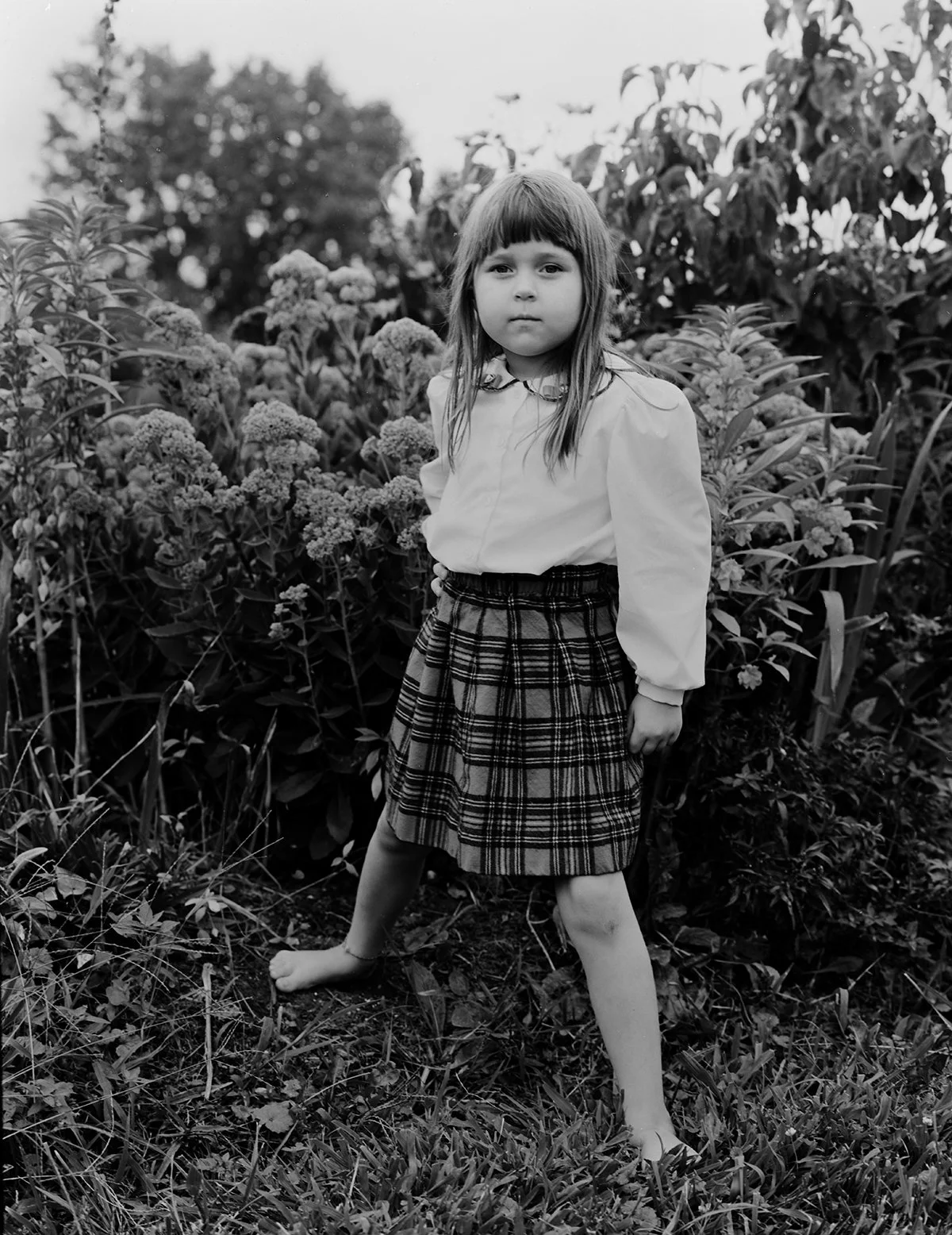
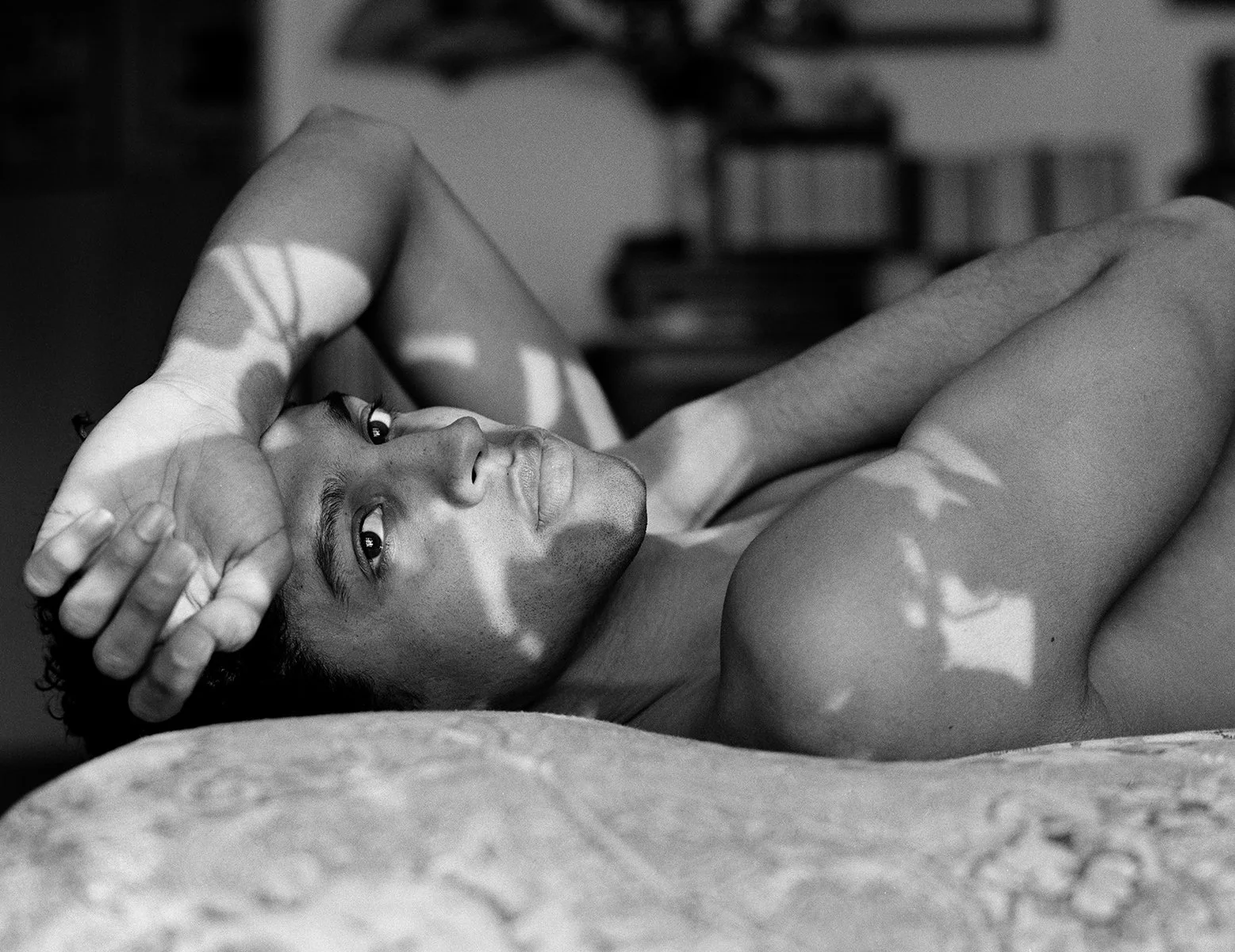
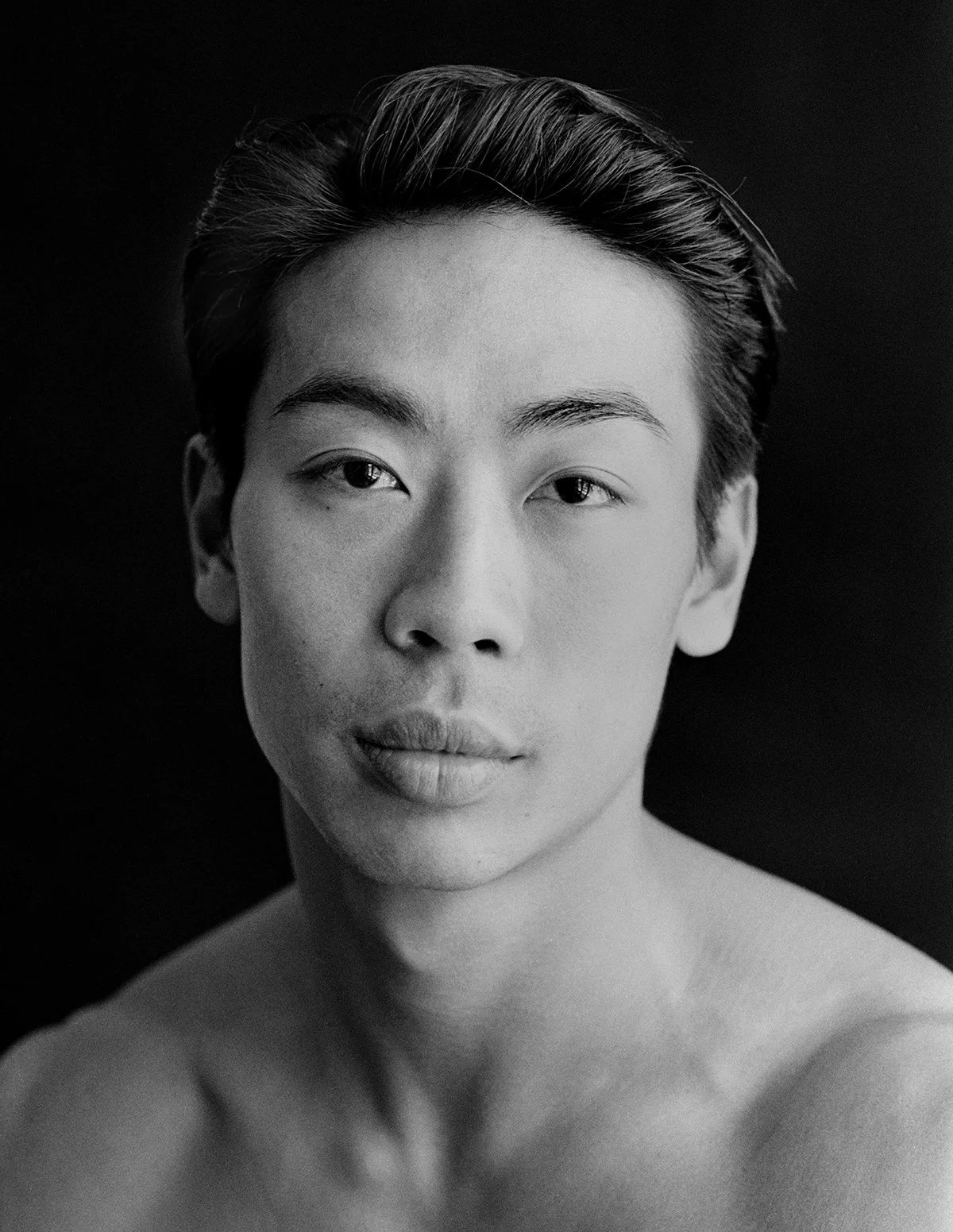
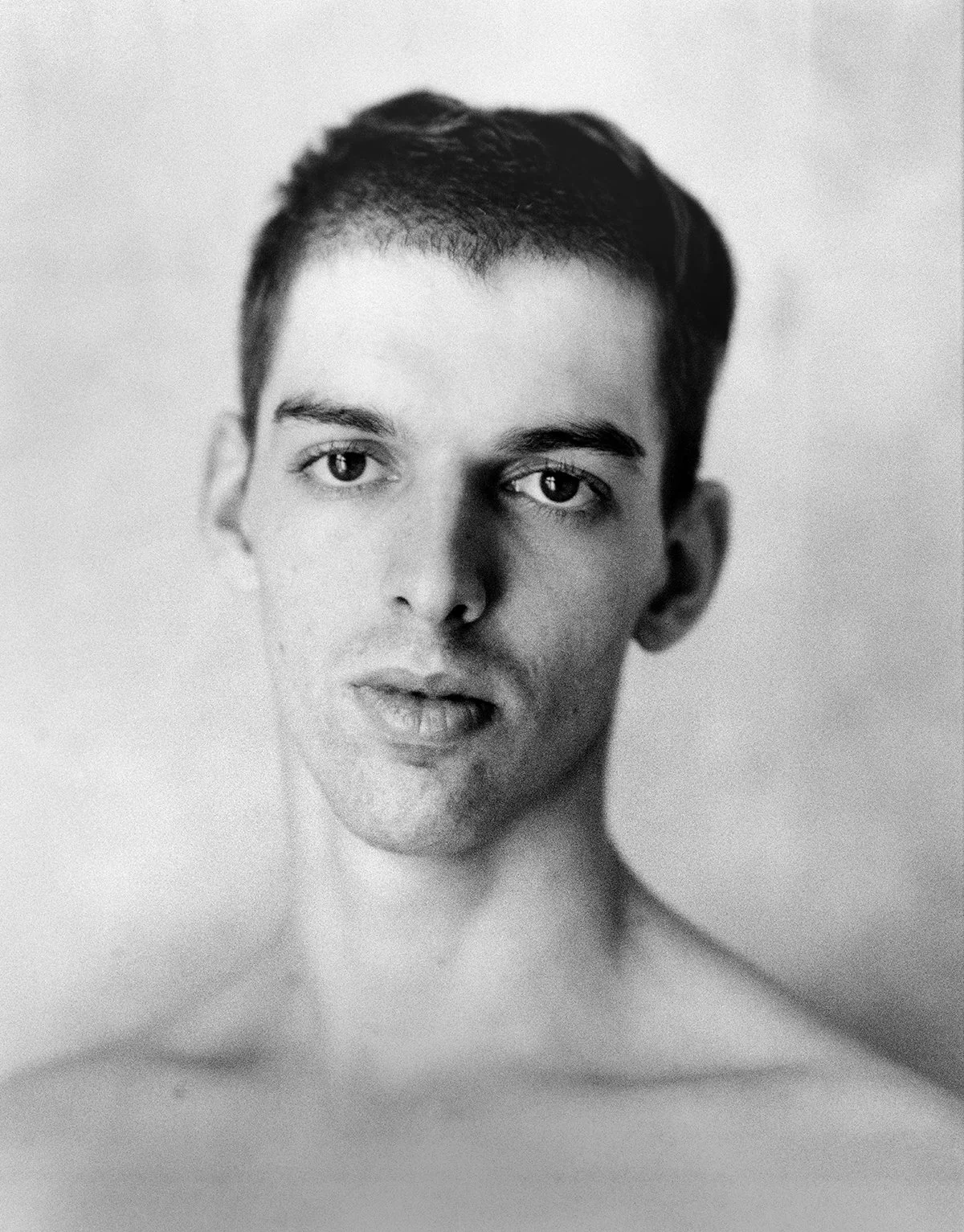
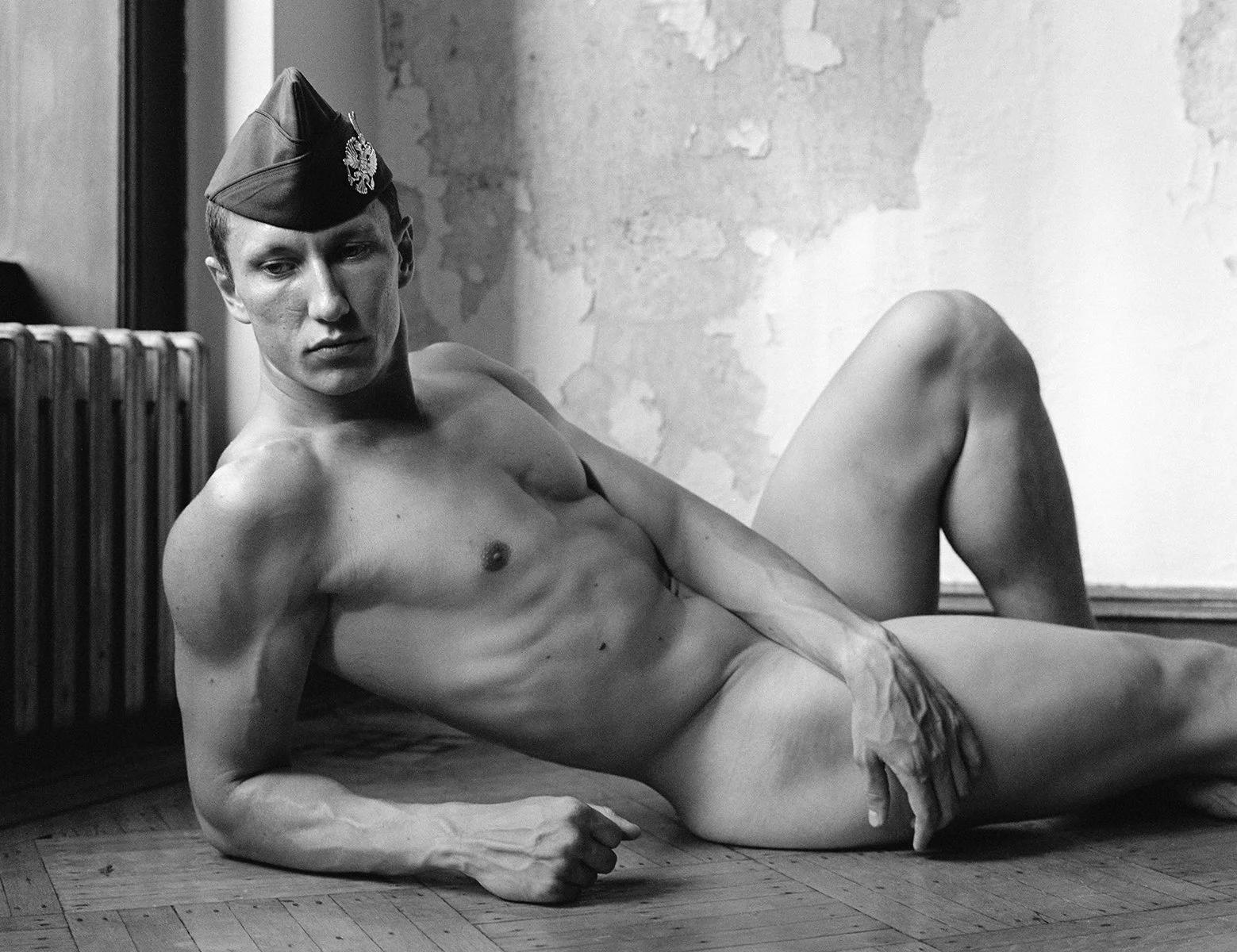
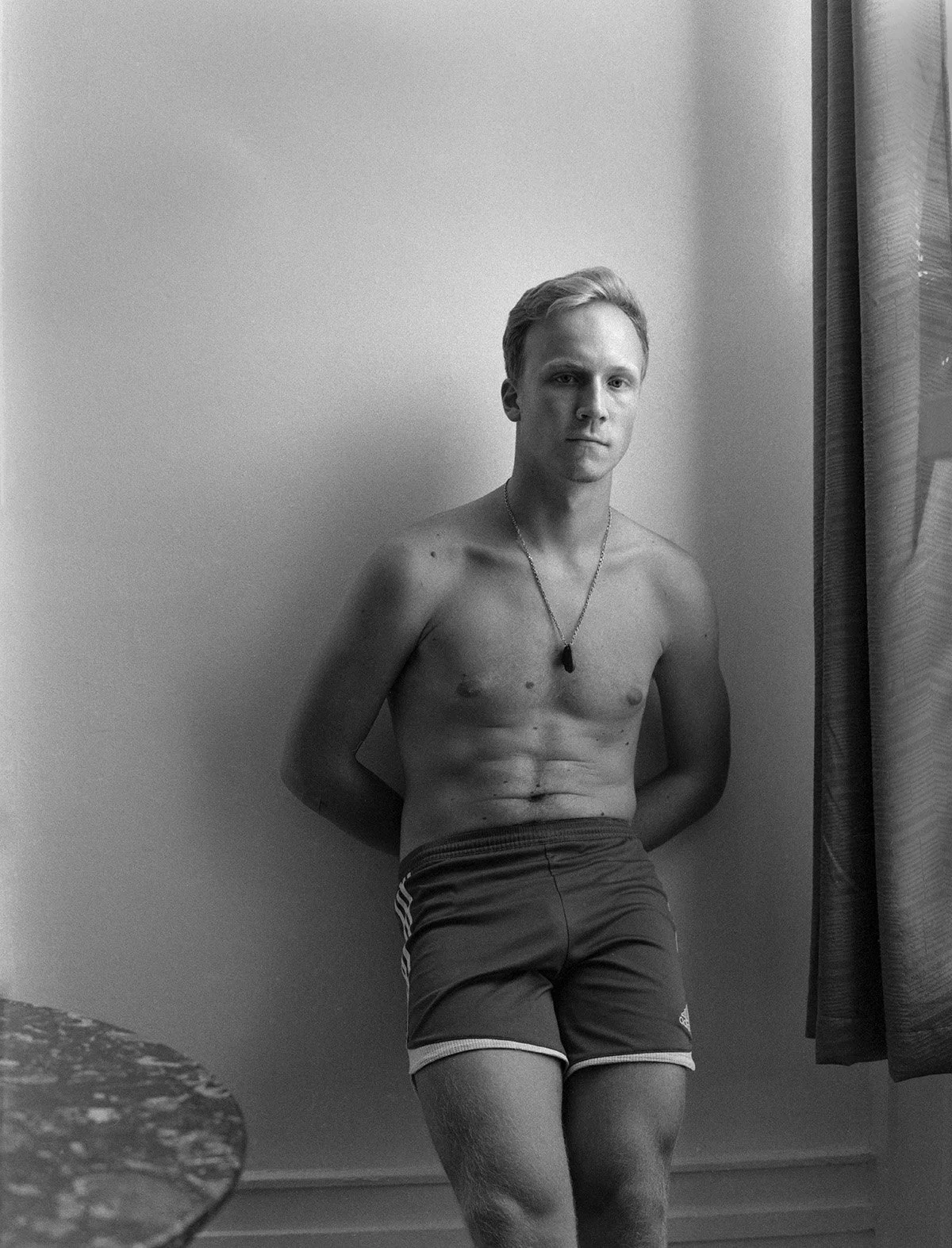
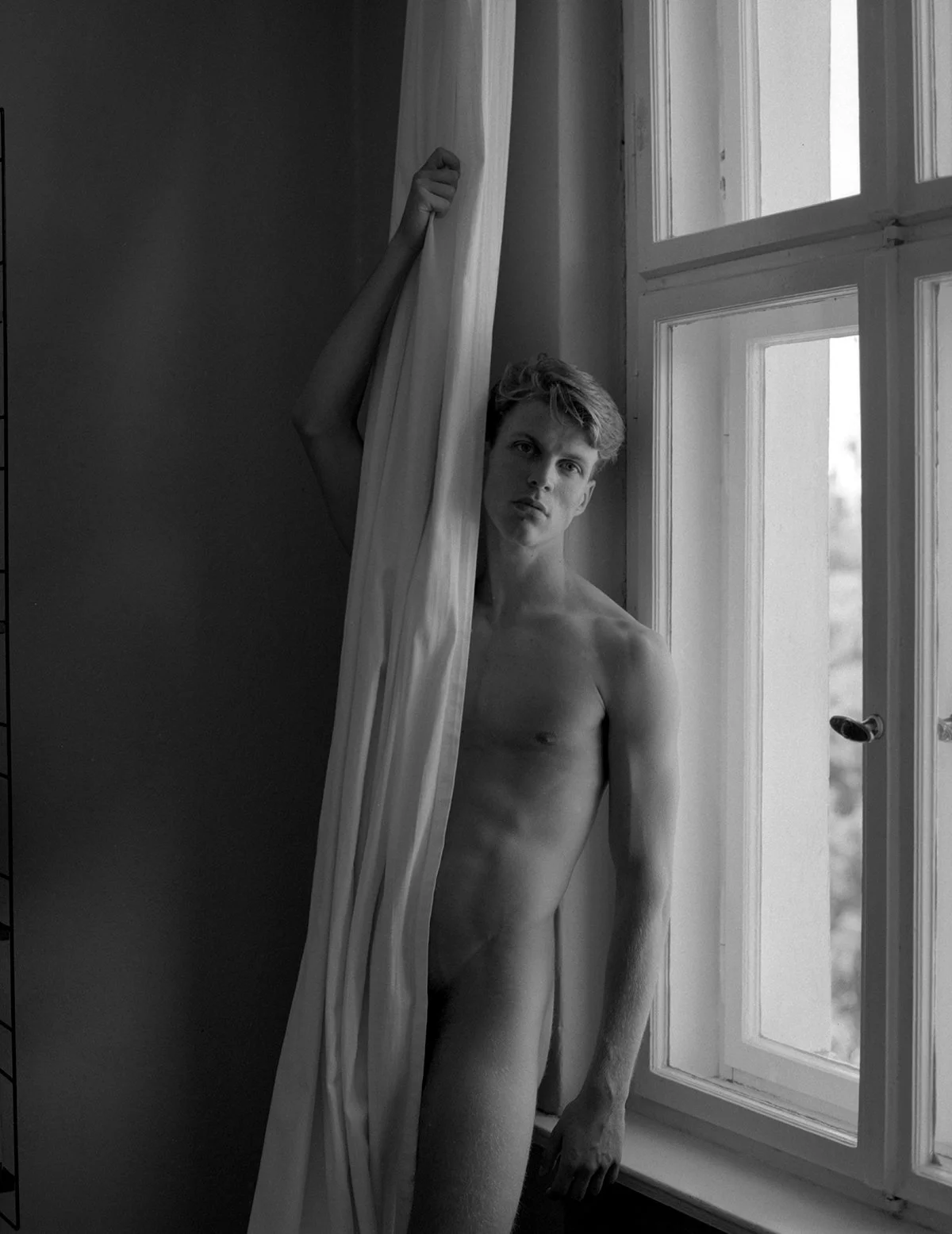
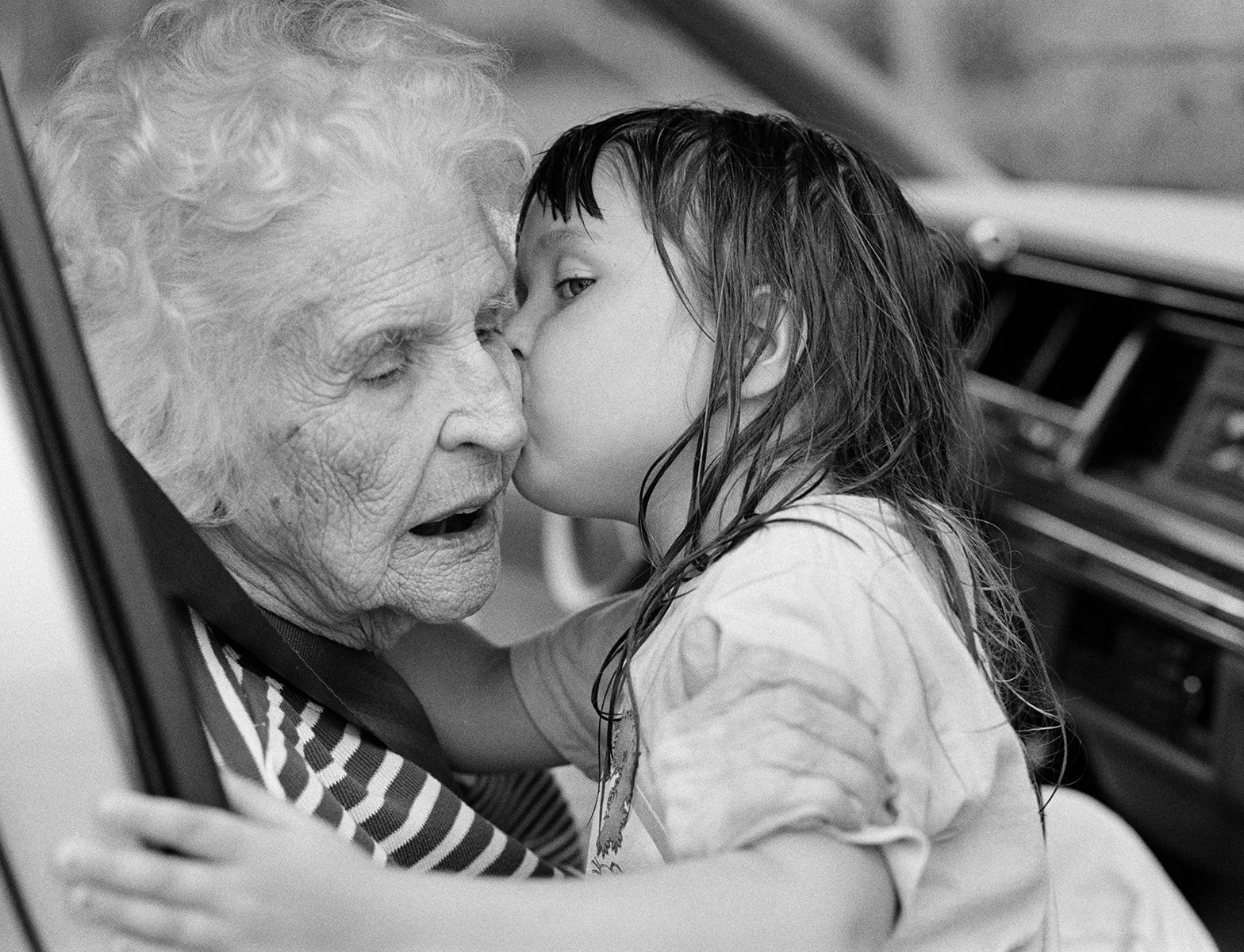
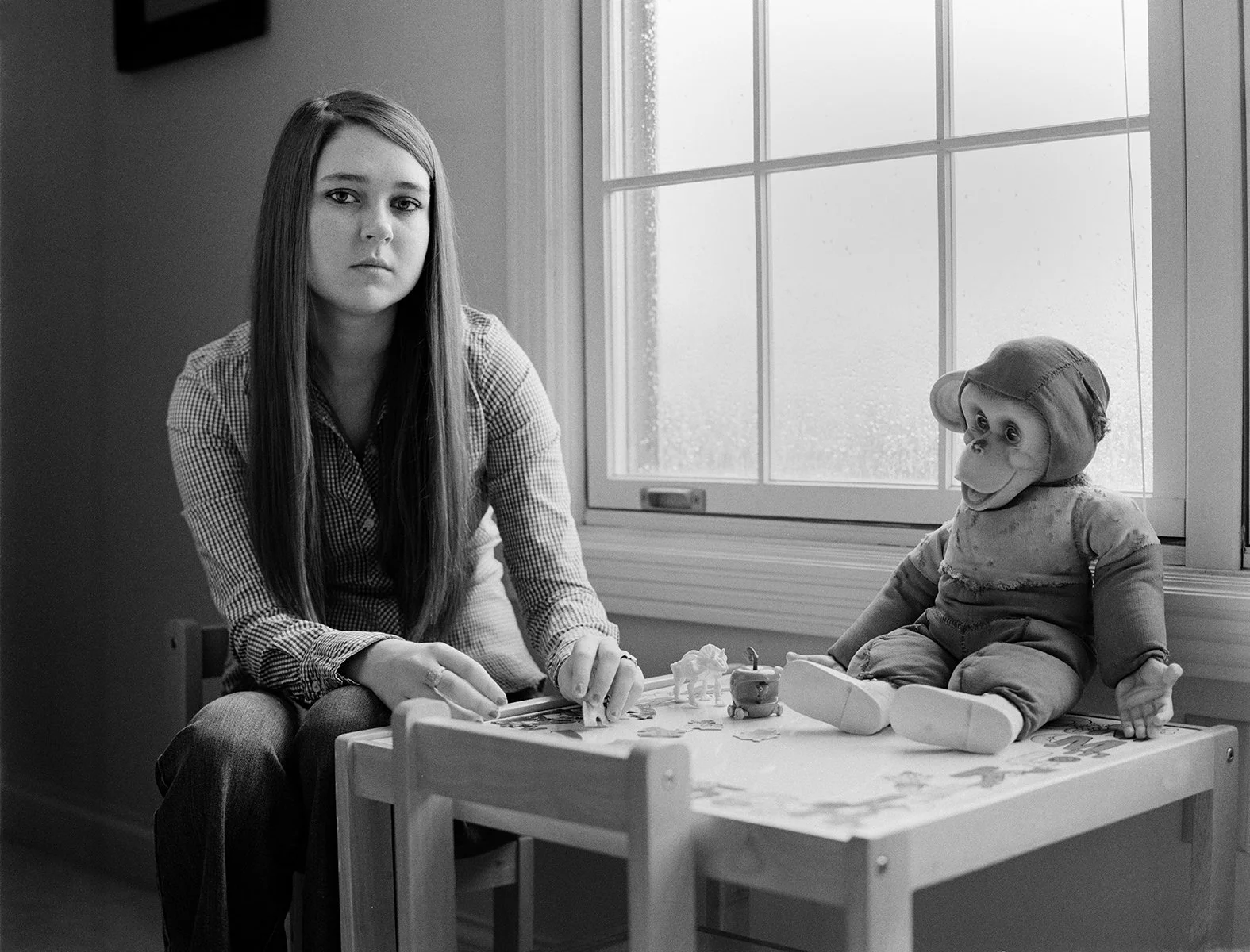
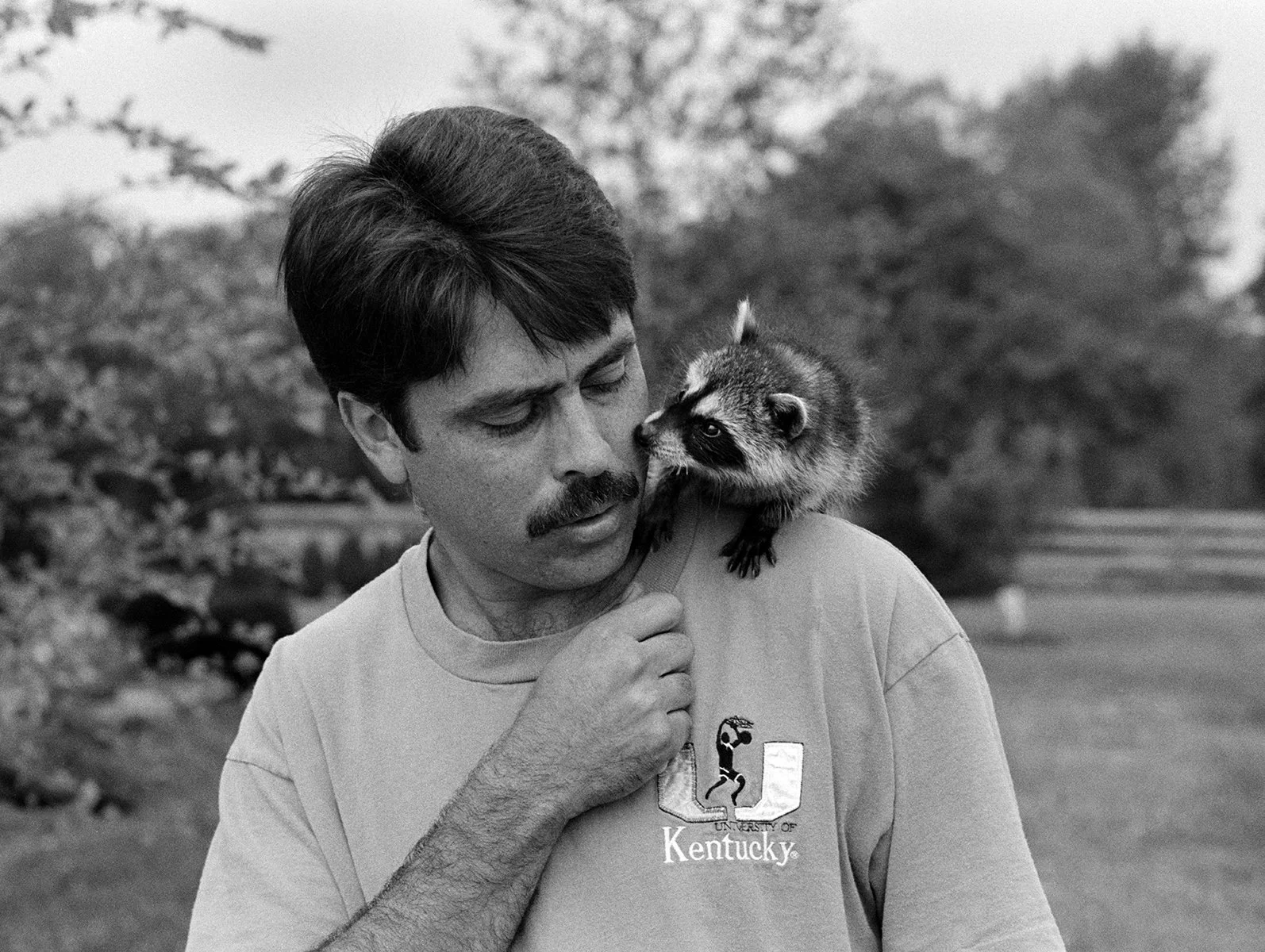
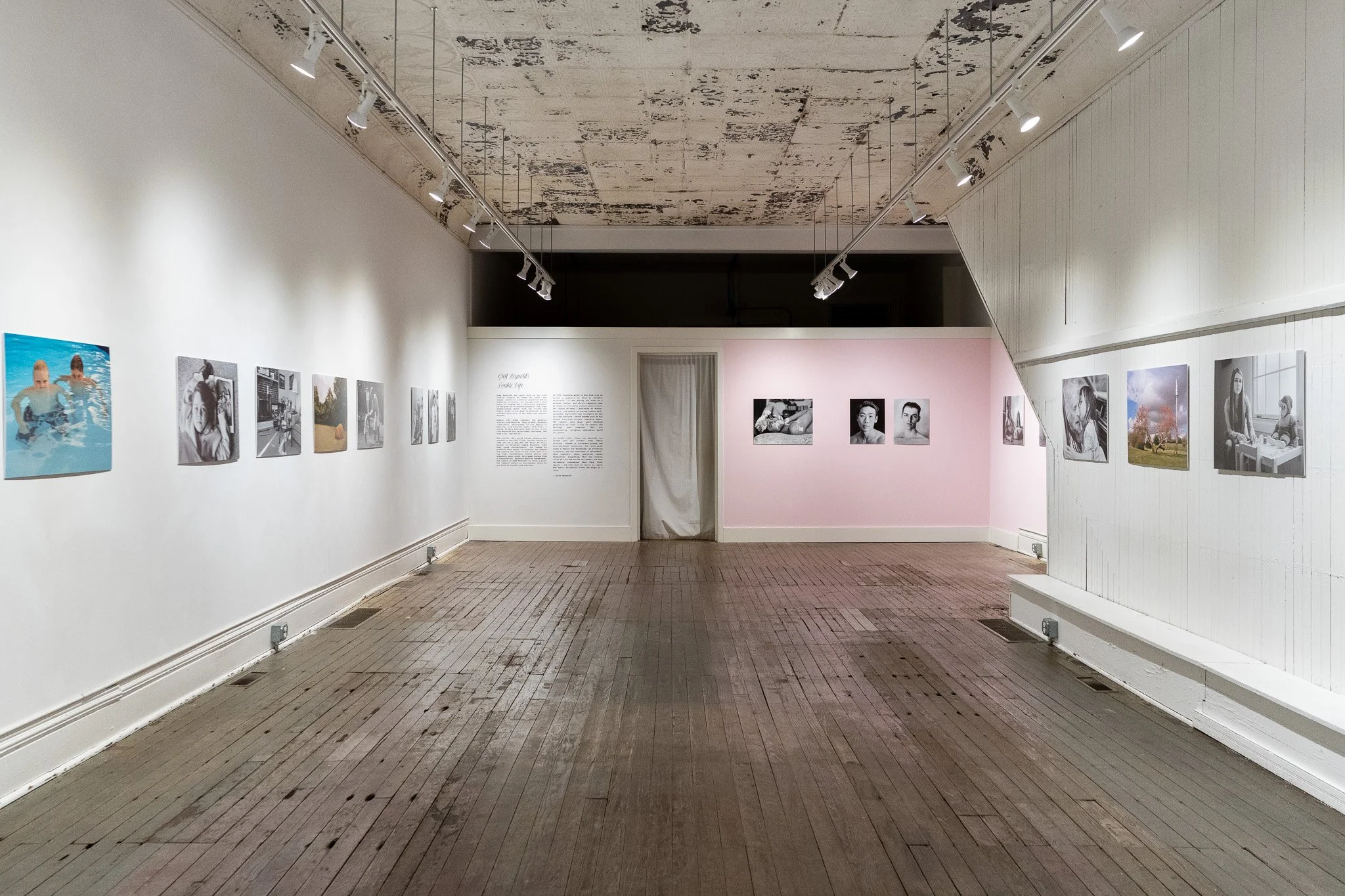
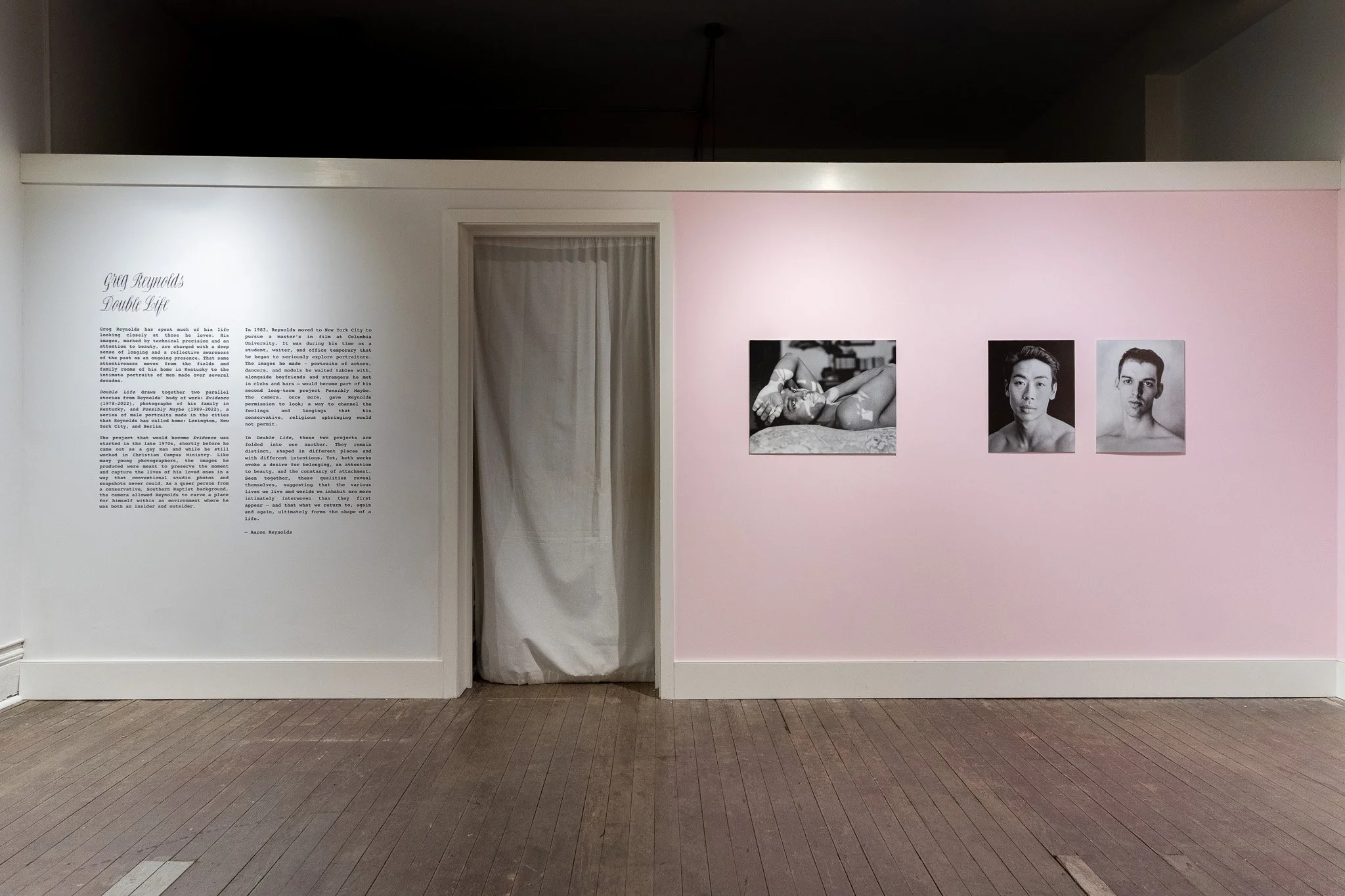
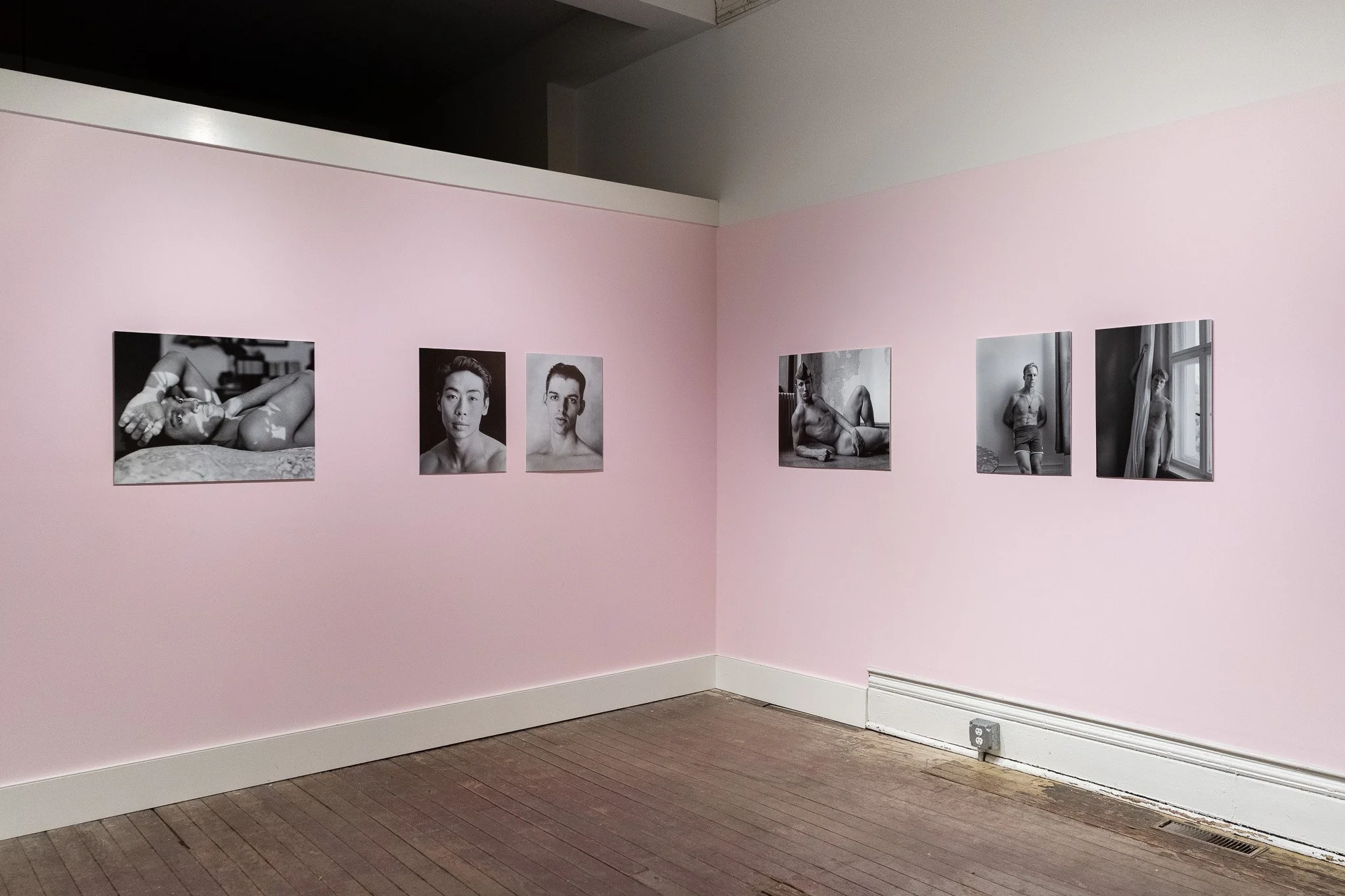
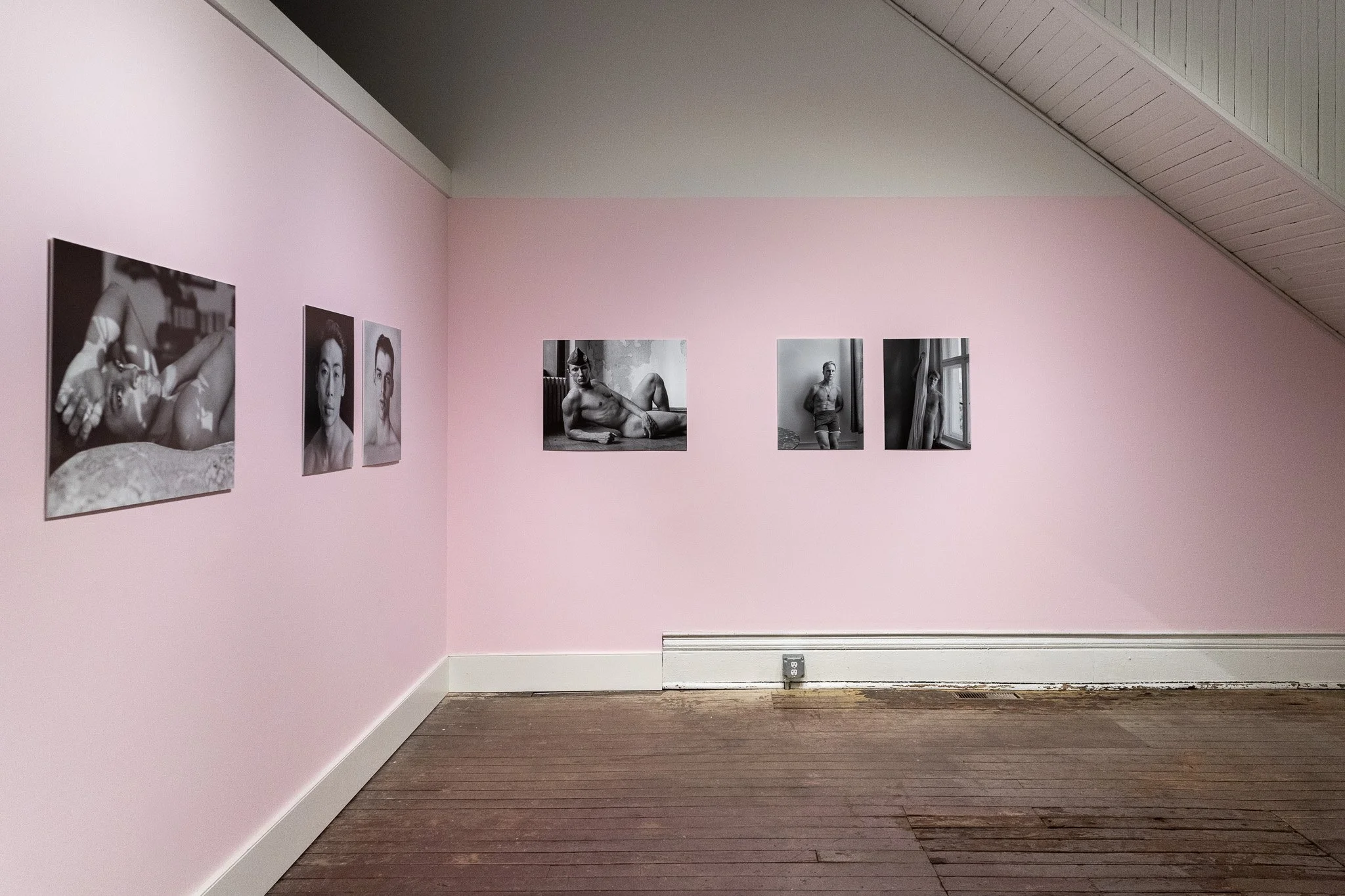
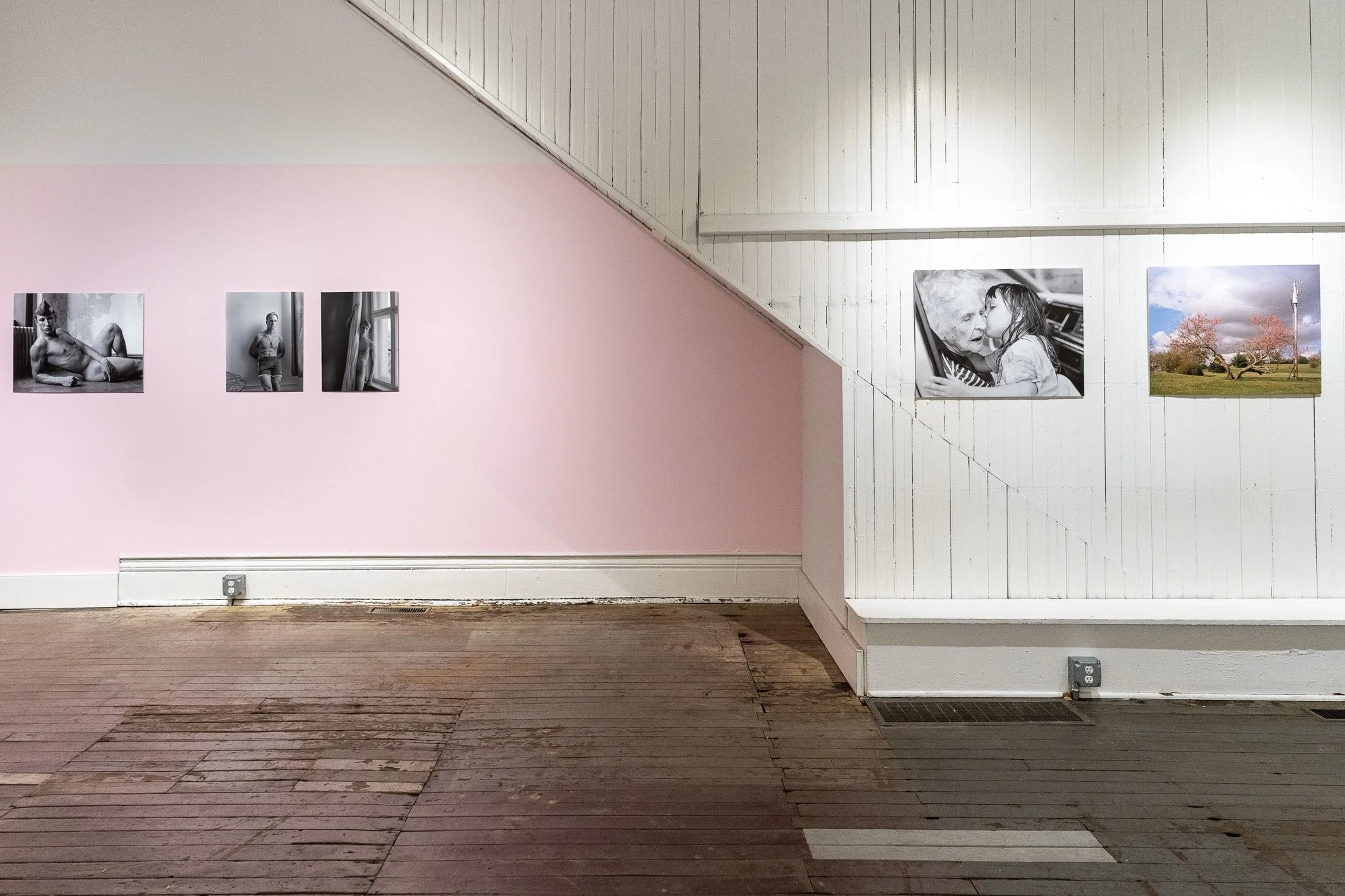
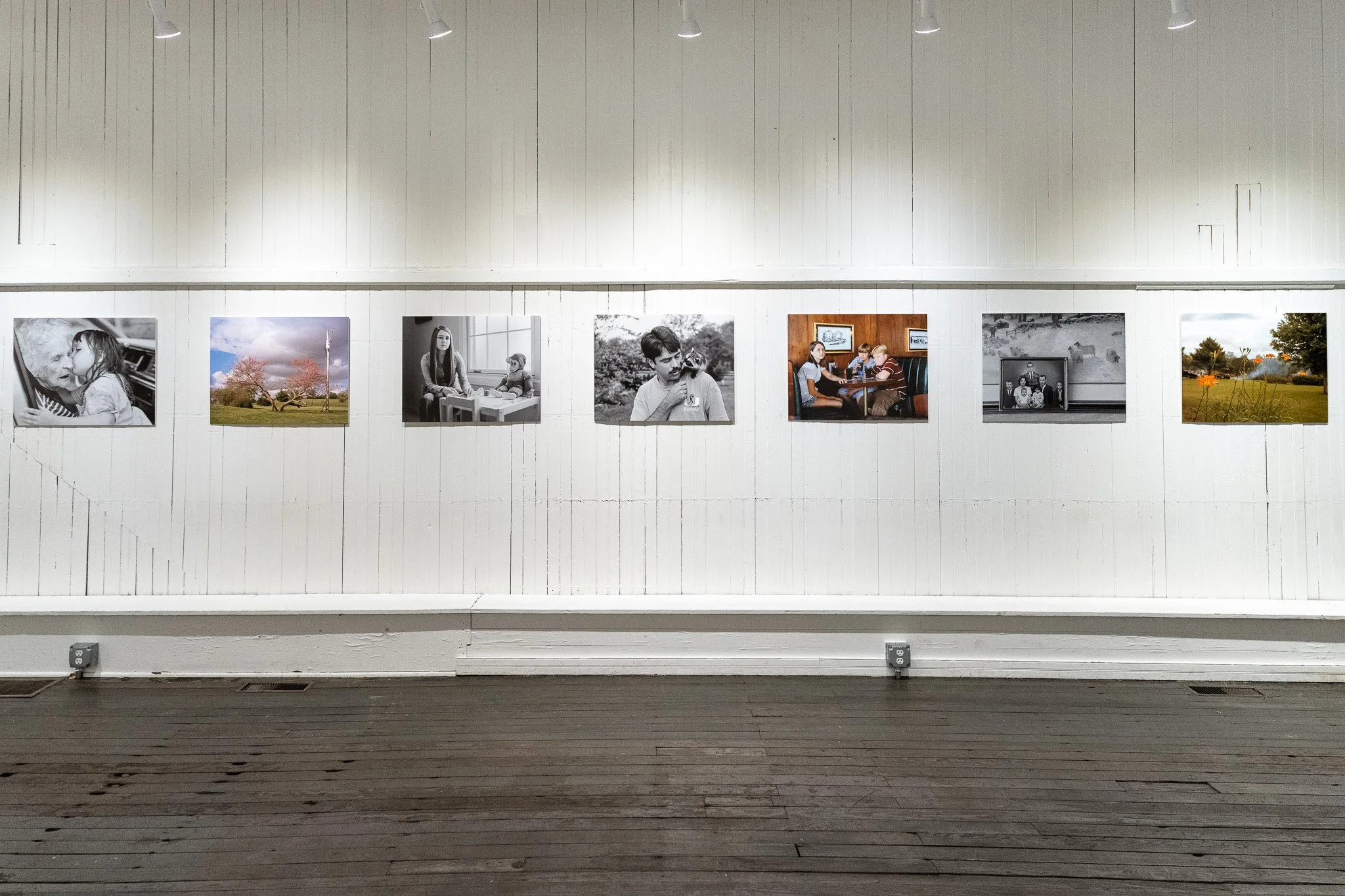
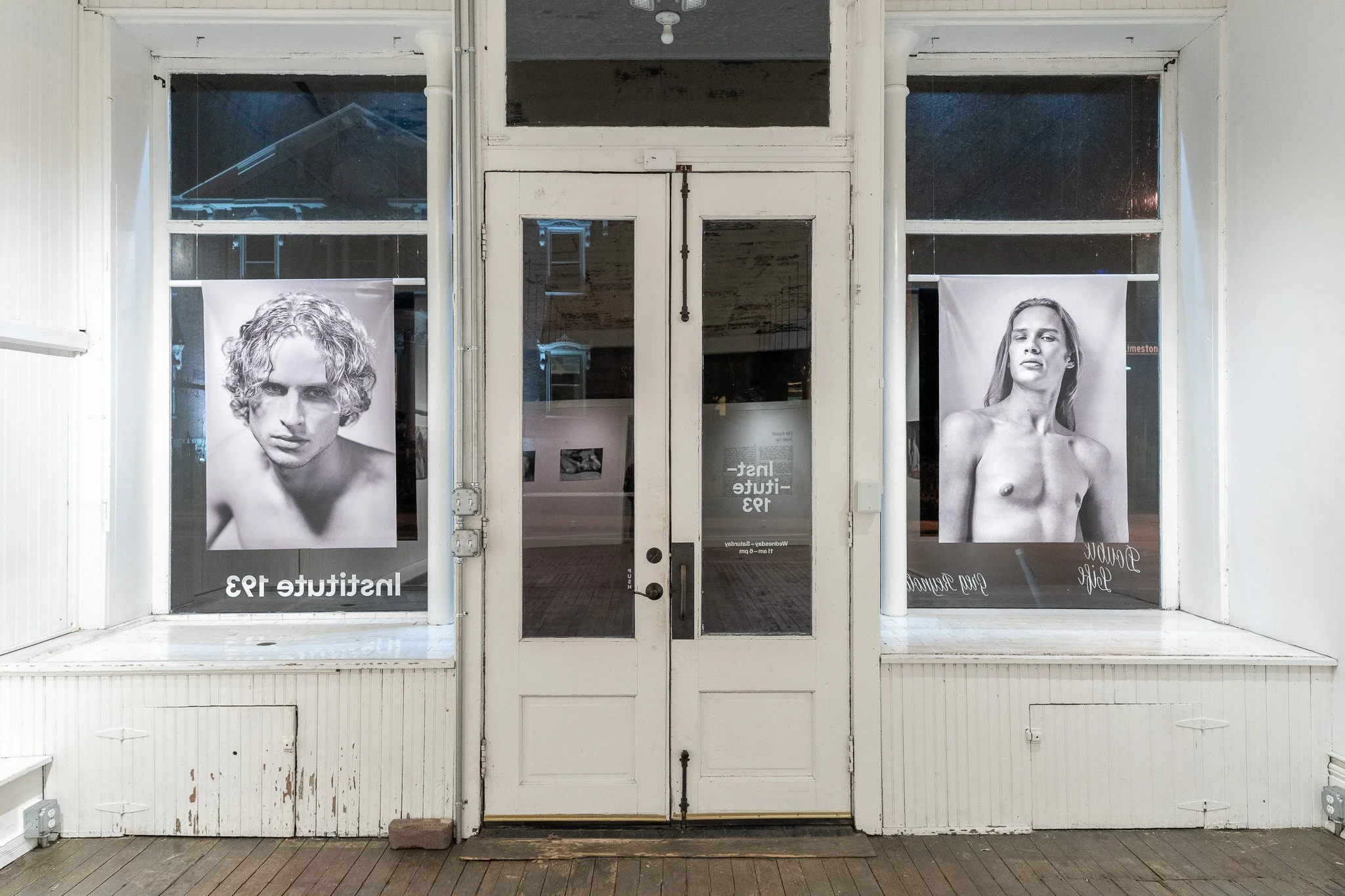
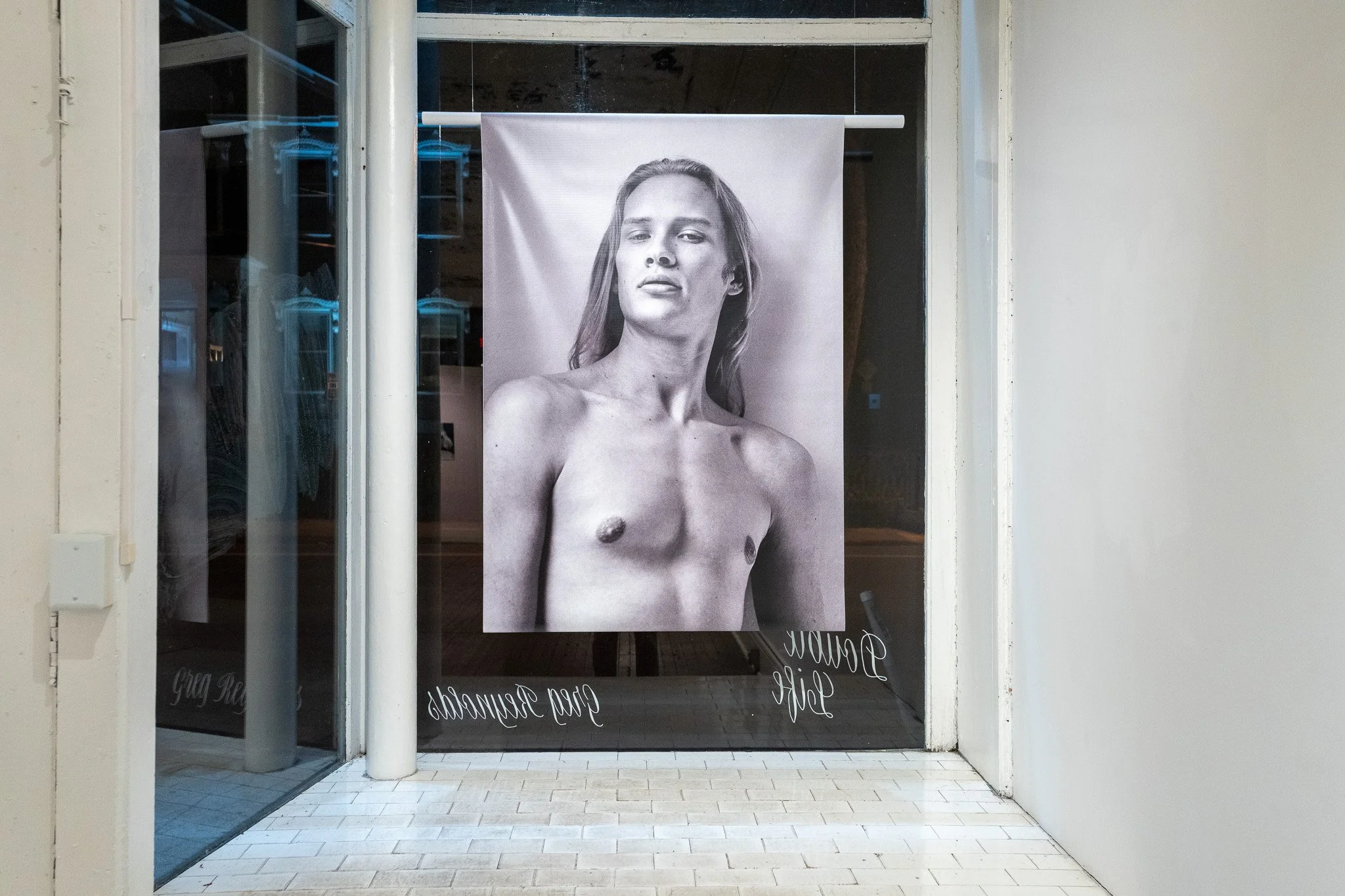
Double Life draws together two parallel stories from Reynolds’s body of work: Evidence (1978-2022), photographs of his family in Kentucky, and Possibly Maybe (1989-2022), a series of male portraits made in the cities that Reynolds has called home: Lexington, New York City, and Berlin.
The project that would become Evidence was started in the late 1970s, shortly before he came out as a gay man and while he still worked in Christian Campus Ministry. Like many young photographers, the images he produced were meant to preserve the moment and capture the lives of his loved ones in a way that conventional studio photos and snapshots never could. As a queer person from a conservative, Southern Baptist background, the camera allowed Reynolds to carve a place for himself within an environment where he was both an insider and outsider.
In 1983, Reynolds moved to New York City to pursue a master’s in film at Columbia University. It was during his time as a student, waiter, and office temporary that he began to seriously explore portraiture. The images he made – portraits of actors, dancers, and models he waited tables with, alongside boyfriends and strangers he met in clubs and bars – would become part of his second long-term project Possibly Maybe. The camera, once more, gave Reynolds permission to look; a way to channel the feelings and longings that his conservative, religious upbringing would not permit.
In Double Life, these two projects are folded into one another. They remain distinct, shaped in different places and with different intentions. Yet, both works evoke a desire for belonging, an attention to beauty, and the constancy of attachment. Seen together, these qualities reveal themselves, suggesting that the various lives we live and worlds we inhabit are more intimately interwoven than they first appear – and that what we return to, again and again, ultimately forms the shape of a life.
– Aaron Reynolds